 Andalusia
Discover Huelva Province
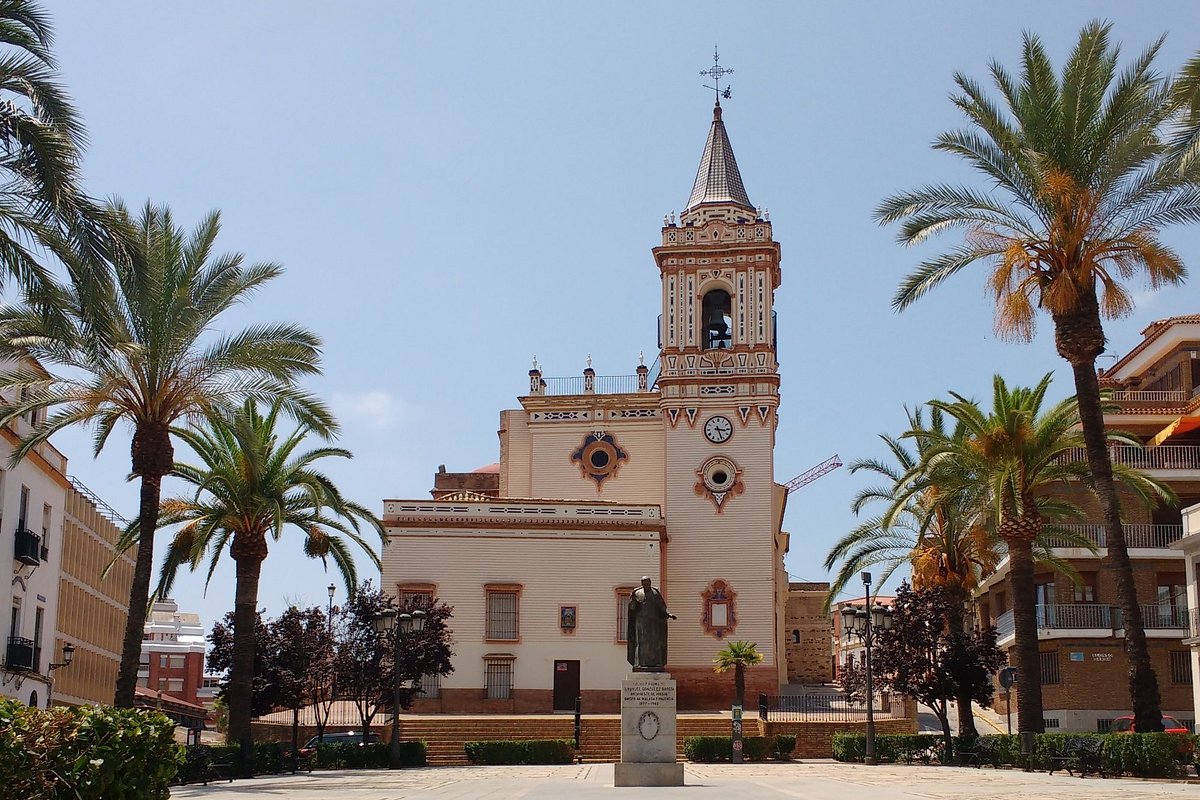
Huelva is one of the most authentic and least crowded provinces in Andalusia, located in the far west of southern Spain along the Atlantic Ocean. Known for its pristine beaches, vast natural parks, historic towns, and strong connection to the discovery of the Americas, Huelva offers a unique blend of nature, history, and traditional Andalusian culture — see the complete Andalusia guide for regional context.
From the UNESCO-protected Huelva — Nature to the sandy beaches of the Costa de la Luz and the historic departure point of Christopher Columbus, Huelva is a destination rich in heritage and natural beauty. It is ideal for travelers looking for relaxed coastal towns, outdoor adventures, cultural experiences, and authentic Andalusian life away from mass tourism.
Where is Huelva?
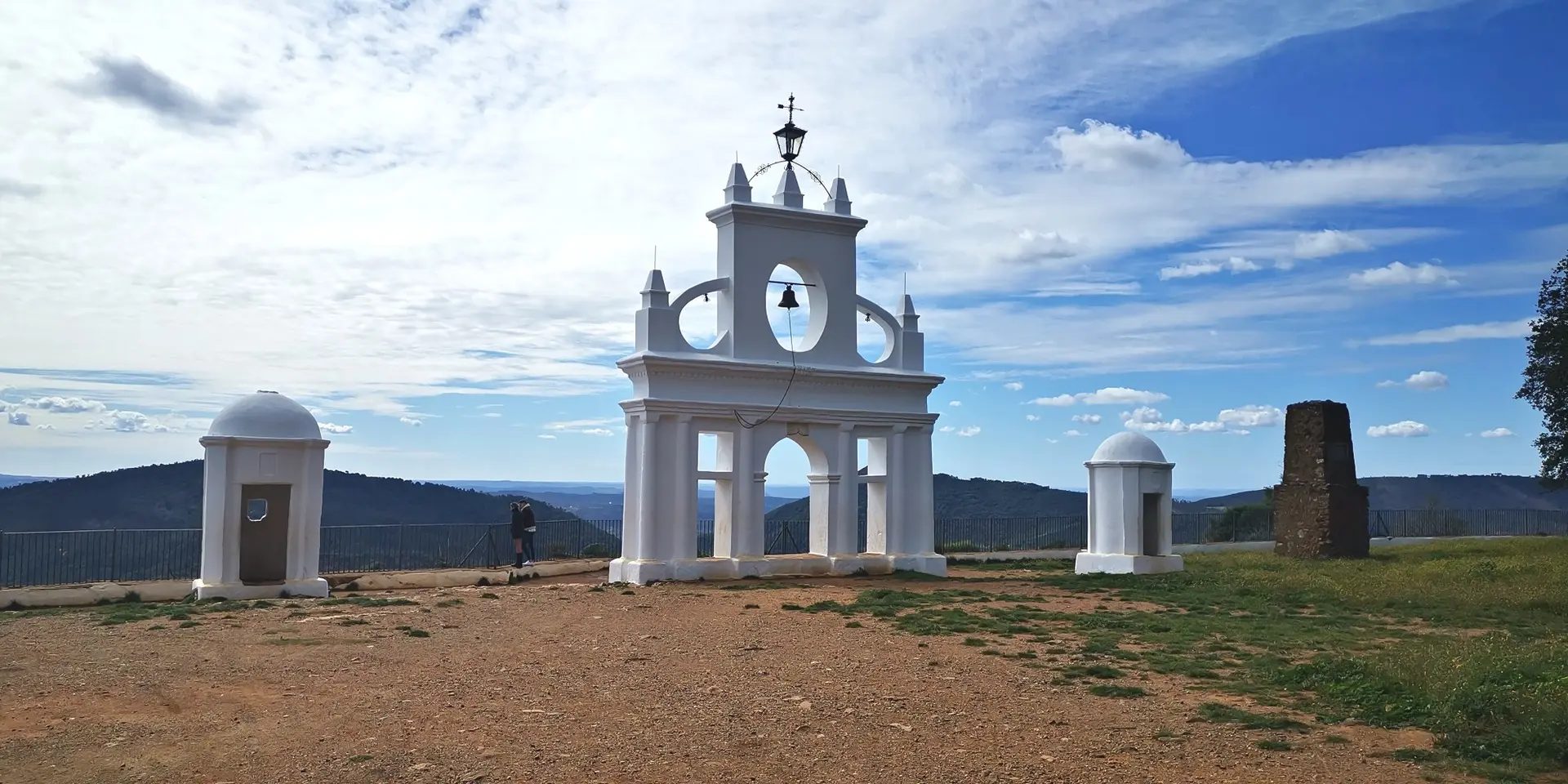
Huelva is located in western Andalusia, bordering Portugal to the west, Seville Province to the east, the Atlantic Ocean to the south, and the Sierra de Aracena mountains to the north. The province offers remarkable diversity of landscapes, including Atlantic coastline on the Costa de la Luz, protected wetlands and dunes, pine forests and natural reserves, mountain villages in the Sierra de Aracena, and fertile agricultural plains — orient yourself with the Andalusia map and climate guide guides.
Its strategic position between Spain and Portugal has shaped its history, culture, and economy for centuries. Explore landscape detail in Huelva — Nature and Huelva — Beaches.
A Brief History of Huelva
Huelva has been inhabited since prehistoric times, with early settlements dating back to the Paleolithic era. The Tartessian civilization was one of the first major cultures to develop in the region, followed by Phoenicians, Greeks, and Romans, who exploited its rich mining resources and established the ancient settlement of Onuba (modern Huelva). During the Islamic period, the region became an important agricultural and commercial area before being integrated into the Christian Kingdom during the Reconquista.
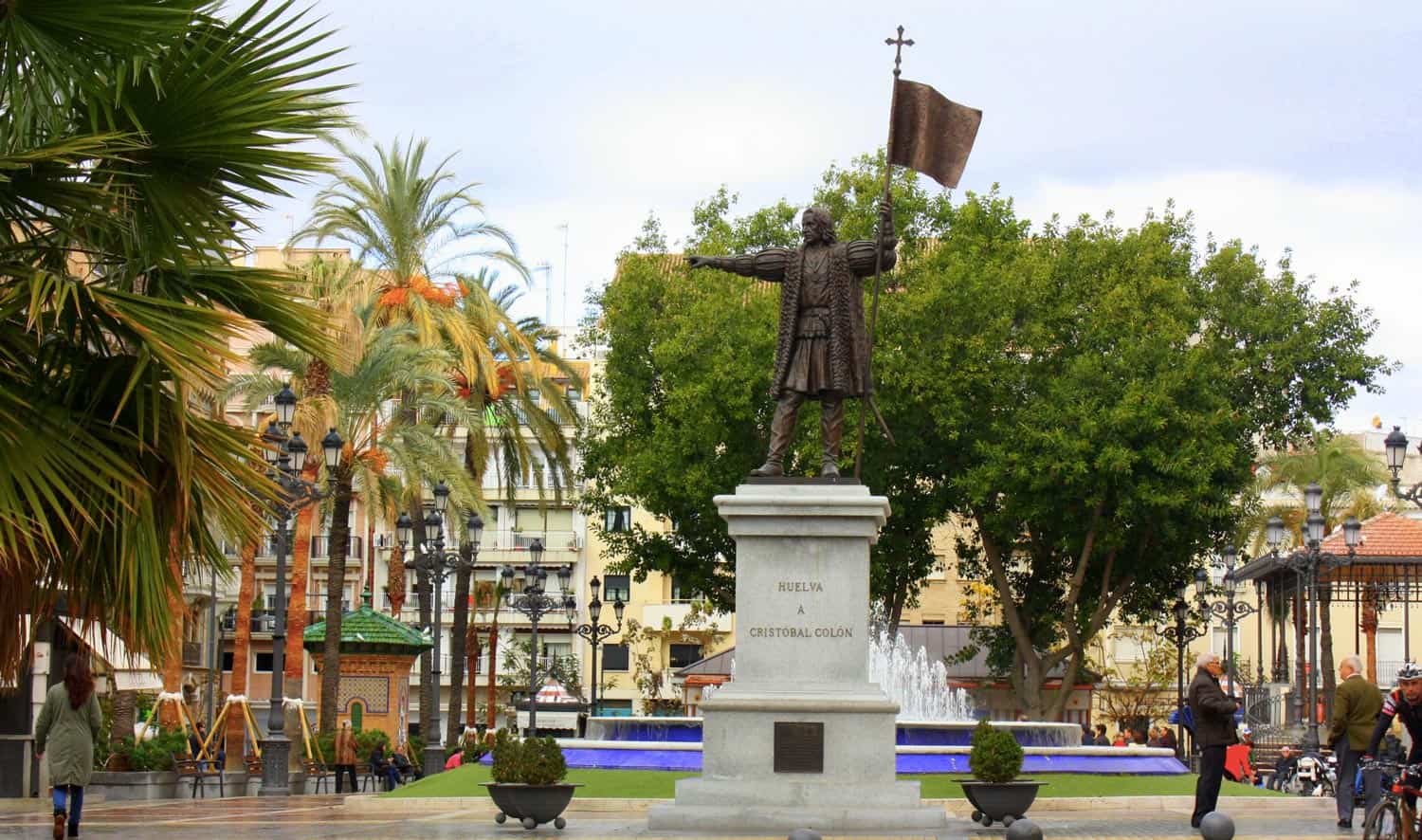
One of the most significant historical events in world history took place here: in 1492, Christopher Columbus set sail for the Americas from nearby Palos de la Frontera, forever linking Huelva to the Age of Exploration. Today, this legacy remains visible in monuments, historical sites, and cultural traditions across the province — browse the Huelva — What to see section for landmark-by-landmark planning.
Top Places to Visit in Huelva Province
Huelva offers a wide range of destinations, from coastal towns to mountain villages and historic sites. Use the Huelva — Main cities index and Huelva — What to see guide to build a route that matches your interests.
Huelva City
The capital is a lively port city with strong maritime traditions and historical links to the discovery of the Americas. See the Huelva — Main cities and Huelva — What to see pages for city detail.
Palos de la Frontera
A key historical site, known as the departure point of Columbus' first voyage to the New World. Add it to Columbus heritage routes linked from Huelva — Itineraries and Huelva — What to see.
Moguer
A charming town famous for its monastery, literary heritage, and connection to Nobel Prize-winning poet Juan Ramón Jiménez. Explore cultural stops via Huelva — Main cities and Huelva — Events for local festivals.
Aracena
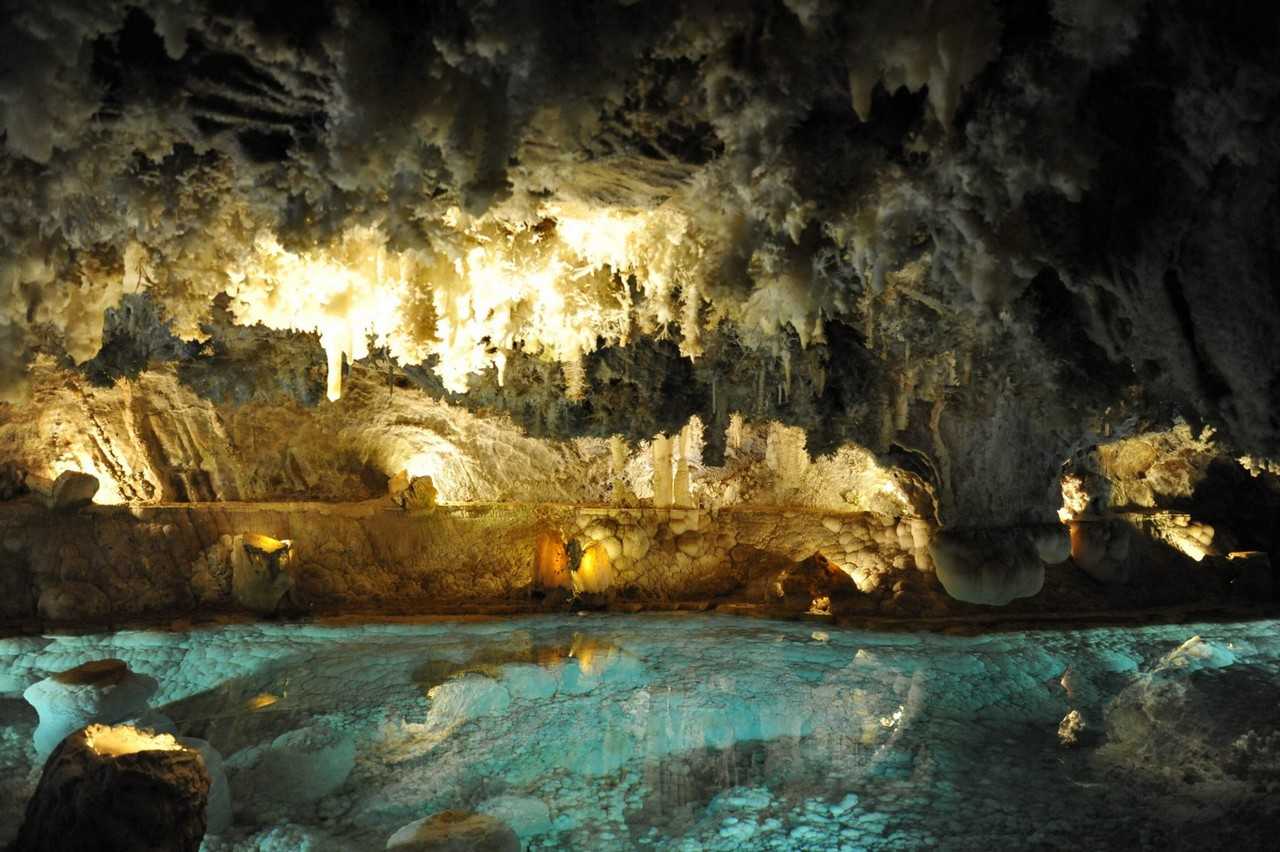
Located in the Sierra de Aracena, this mountain town is known for its castle, historic center, and the spectacular Gruta de las Maravillas caves. Plan mountain days in Huelva — Nature and rural loops in Huelva — Itineraries.
Punta Umbría
A popular coastal resort with long sandy beaches, ideal for summer holidays and water sports. Find beach-by-beach detail in Huelva — Beaches alongside other Costa de la Luz highlights.
Isla Cristina
A traditional fishing town known for seafood, marshlands, and a relaxed coastal atmosphere near the Portuguese border. Pair it with Huelva — Food for seafood routes and Huelva — Beaches for coastal access.
Beaches of Huelva and Costa de la Luz
Huelva is home to some of the most natural and unspoiled beaches in Spain. The Costa de la Luz is characterized by wide sandy shores, dunes, and Atlantic winds. Popular beaches include Playa de Punta Umbría, Playa de Matalascañas, Playa de Isla Cristina, Playa de El Rompido, and Playa de Mazagón — ideal for relaxation, walking, surfing, and enjoying nature in a peaceful environment. See full coverage in Huelva — Beaches and compare with neighboring Cádiz on the same Atlantic coast.
Nature and Outdoor Activities
Huelva is one of the best provinces in Andalusia for nature lovers. Key natural attractions include Huelva — Nature (UNESCO World Heritage Site), Sierra de Aracena and Picos de Aroche Natural Park, Rio Tinto mining landscapes, wetlands and birdwatching areas, and coastal dunes and protected beaches. Outdoor activities include hiking, cycling, birdwatching, horseback riding, and eco-tourism experiences — plan routes in Huelva — Nature, Huelva — Itineraries, and the things to do in Andalusia hub, with seasonal tips in Huelva — Weather.
Culture and Traditions in Huelva
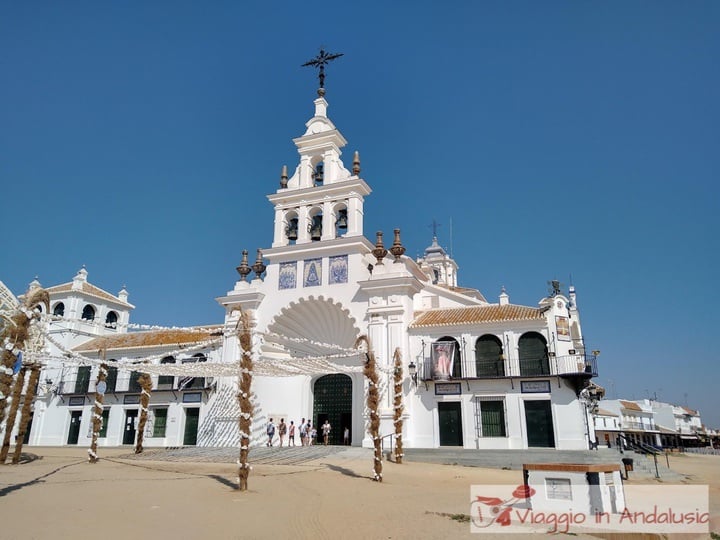
Huelva has a strong cultural identity shaped by religion, history, and rural traditions. Key cultural highlights include the Romería del Rocío (one of Europe's largest pilgrimages), Semana Santa celebrations, Columbus-related historical festivals, local village fairs, and flamenco and traditional Andalusian music tracked in Huelva — Events and the festivals and cultural celebrations cluster. The province maintains deep-rooted traditions that are still very present in daily life.
Food and Gastronomy in Huelva
Huelva is famous for its high-quality local products and seafood-based cuisine. Typical dishes include Iberian ham from Sierra de Aracena, fresh Atlantic seafood, shrimp from Huelva (gambas blancas), Condado de Huelva wines, strawberries and agricultural products, and traditional stews and tapas. The combination of sea, mountains, and fertile land creates a rich gastronomic identity — dive deeper in Huelva — Food and the regional traditional food and local gastronomy cluster.
Suggested Huelva Itineraries
Huelva is ideal for nature-focused and cultural travel experiences. Popular itineraries include Huelva — Nature exploration, a Columbus heritage route, a Sierra de Aracena mountain villages tour, a Costa de la Luz beach itinerary, a Rio Tinto landscapes road trip, and a gastronomic and wine route. Start with Huelva — Itineraries and the Andalusia road trips and itineraries cluster for themed routes linking Huelva, Seville, and Cádiz.
Plan Your Trip to Huelva
With its pristine beaches, vast natural parks, historic connection to the discovery of the Americas, and authentic Andalusian lifestyle, Huelva is one of the most peaceful and unspoiled destinations in southern Spain. Whether you explore protected wetlands, relax on Atlantic beaches, or discover mountain villages, Huelva offers a unique and authentic travel experience away from mass tourism.
Use the Huelva — Complete guide section, Huelva — Weather forecasts, and the transport and travel tips guide to finalize timing and logistics for your journey through western Andalusia.