 Andalusia




Geography of Andalusia
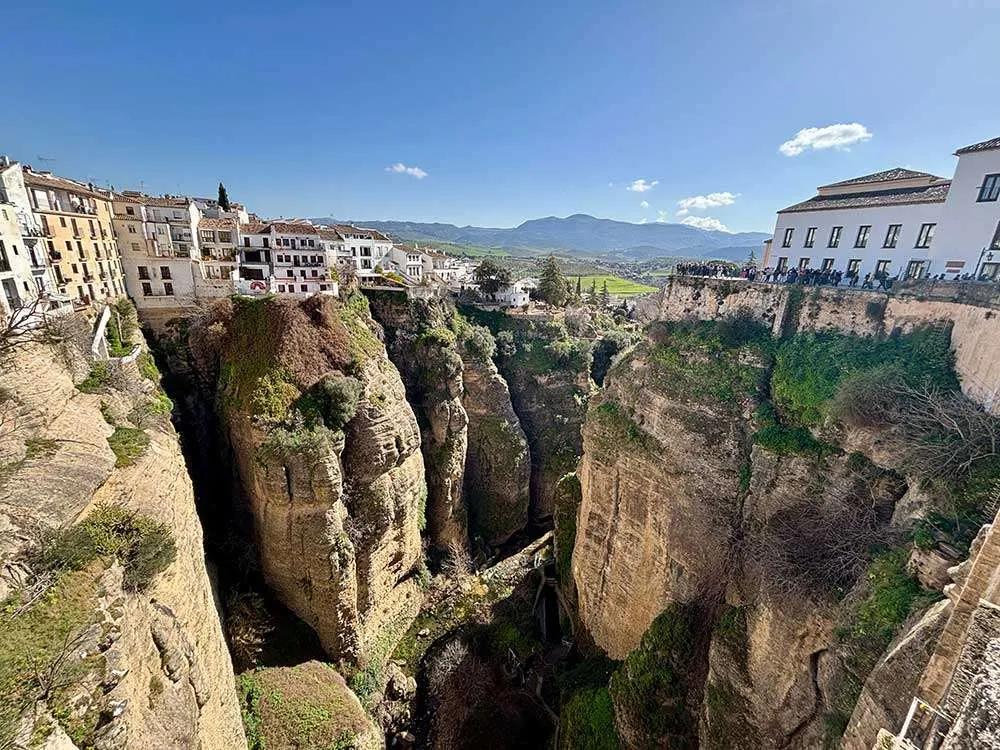
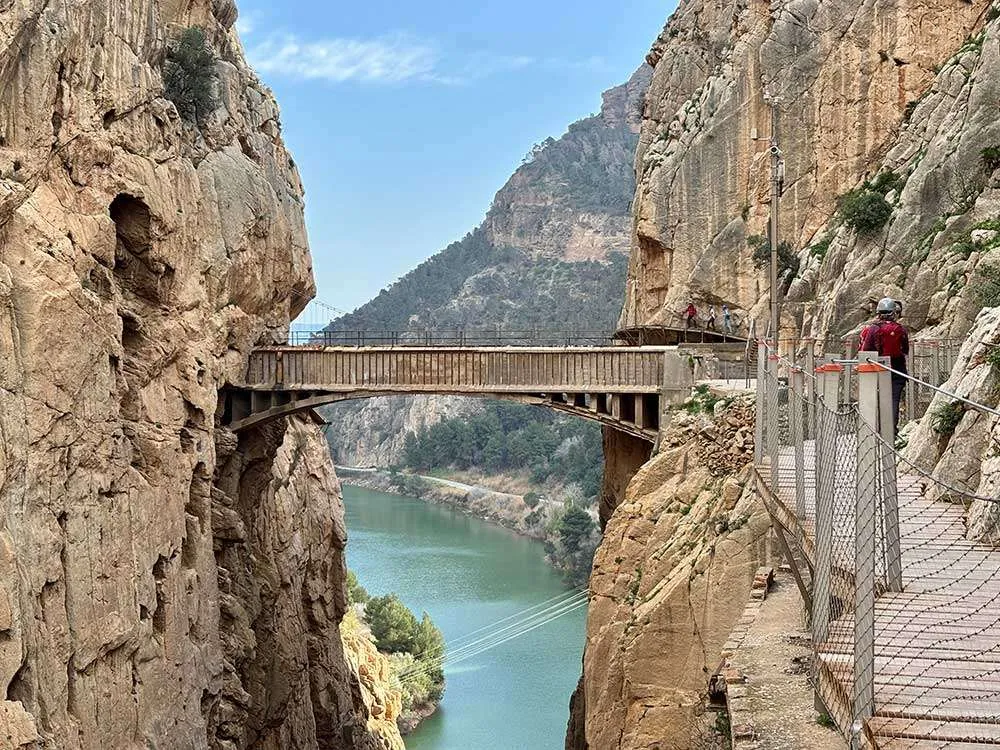
Andalusia occupies the southernmost part of the Iberian Peninsula and spans an area of over 87,000 km², making it the largest autonomous region in Spain. The territory is extremely varied: from the high snow-capped peaks of the Sierra Nevada, which host the highest peak in mainland Spain, to the fertile plains of the Guadalquivir Valley, and the sandy coasts facing both the Mediterranean Sea and the Atlantic Ocean. The Andalusian landscape is marked by extraordinary natural diversity, including deserts like Tabernas, natural parks, lagoons, and internationally significant wetlands. The predominant climate is Mediterranean, with hot, dry summers and mild winters, although the mountainous areas have cooler, snowy conditions. This geographical richness makes Andalusia an ideal destination for those seeking both beach relaxation and nature adventures, as demonstrated by the presence of iconic areas like the Costa del Sol and the Sierra Nevada Andalusia.
Borders and Location
Andalusia borders the regions of Castile-La Mancha and Extremadura to the north, Murcia to the east, is bordered by the Mediterranean Sea and the Atlantic Ocean to the south, and Portugal to the west. The region consists of eight provinces: Almeria, Cadiz, Cordoba, Granada, Huelva, Jaen, Malaga, and Seville. Each province boasts a well-defined geographical identity, with coastal areas like those of the Costa de la Luz Andalusia and the Costa del Sol Andalusia, and inland areas dominated by hills, olive groves, and mountains. The strategic position between two seas and proximity to Africa have historically favored cultural and commercial exchanges, making Andalusia a crossroads of peoples and traditions. The variety of its borders is also reflected in the rich gastronomy and culture that characterize every corner of the region.
Main Areas to Explore
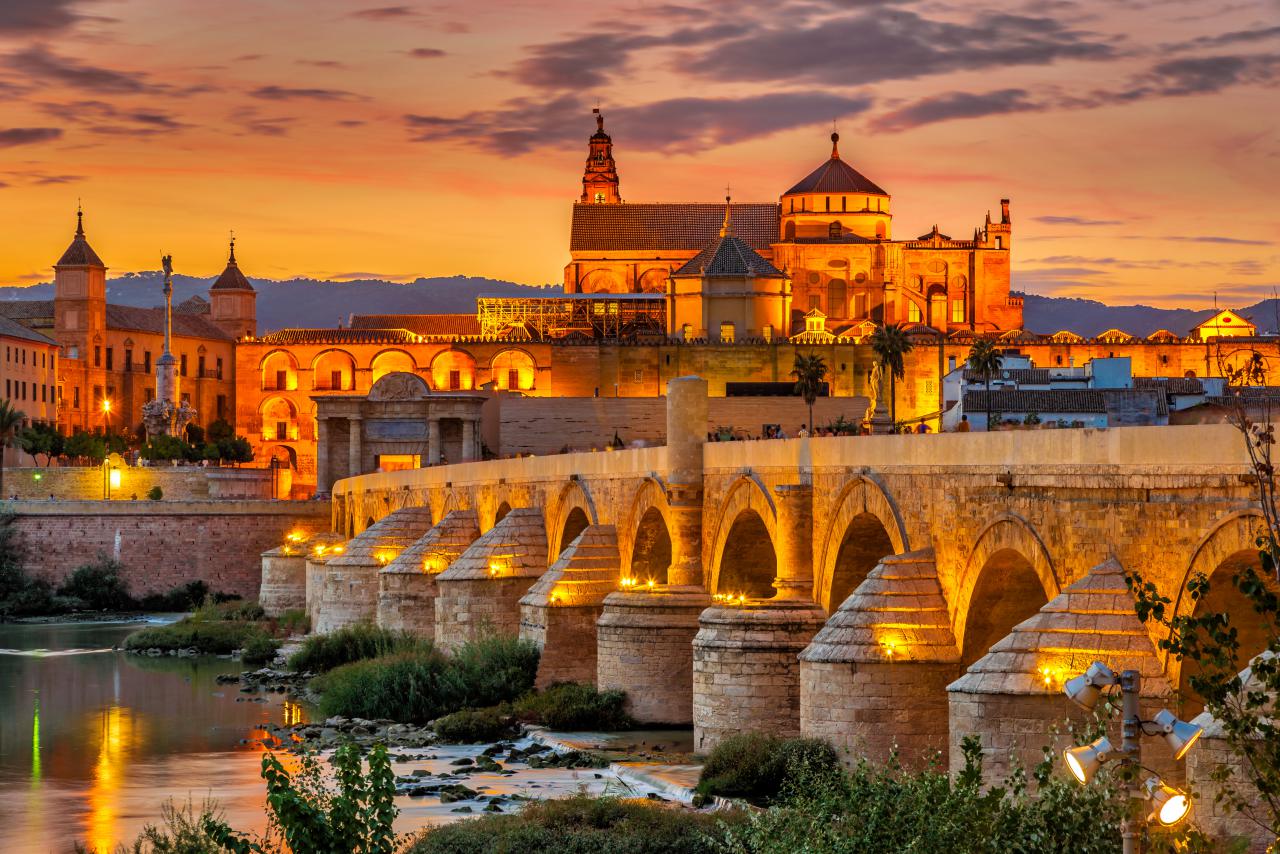
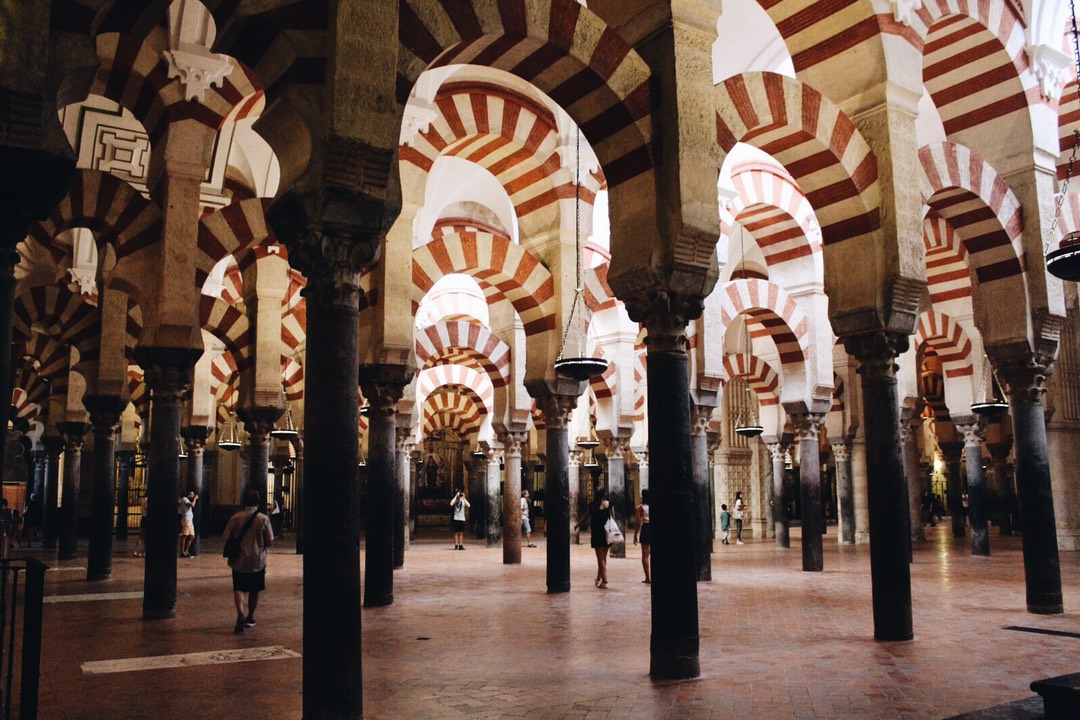
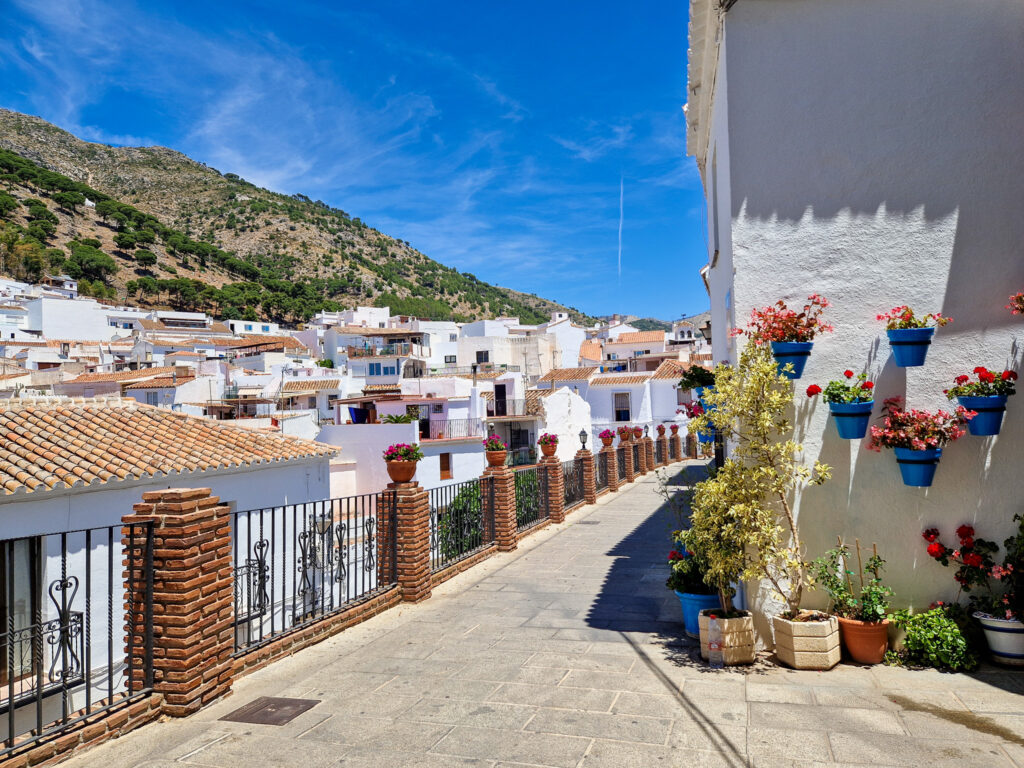
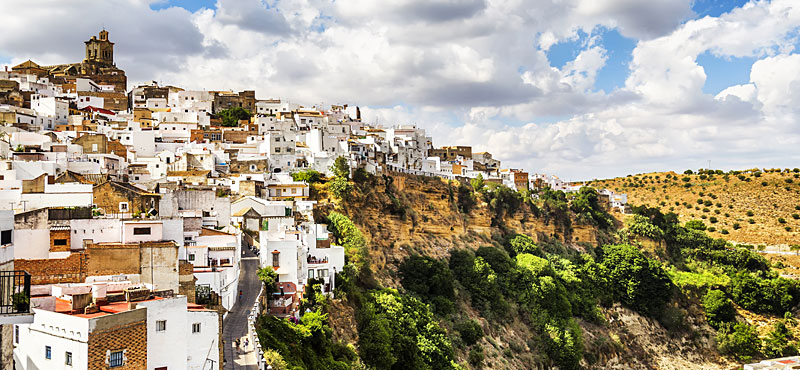
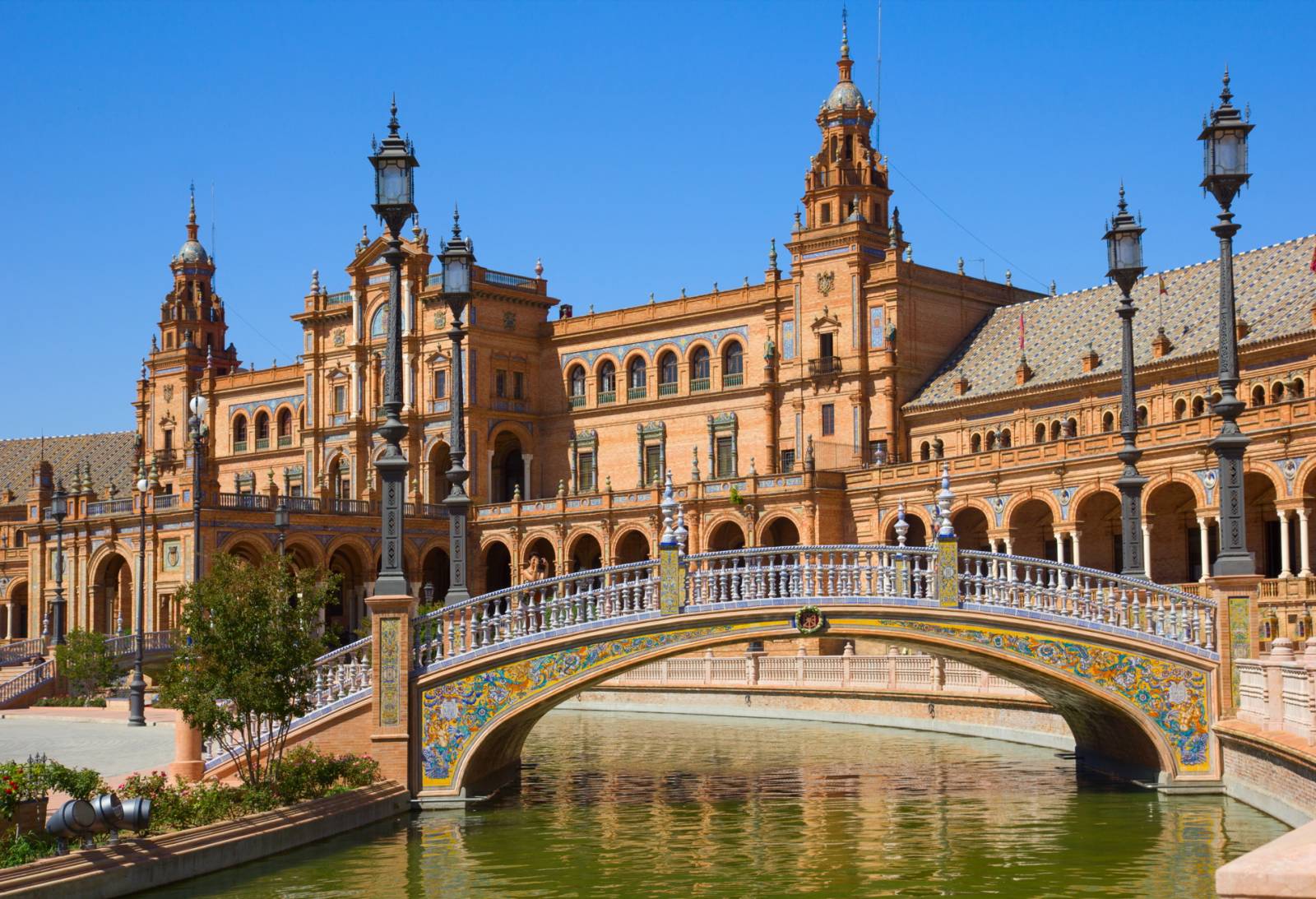
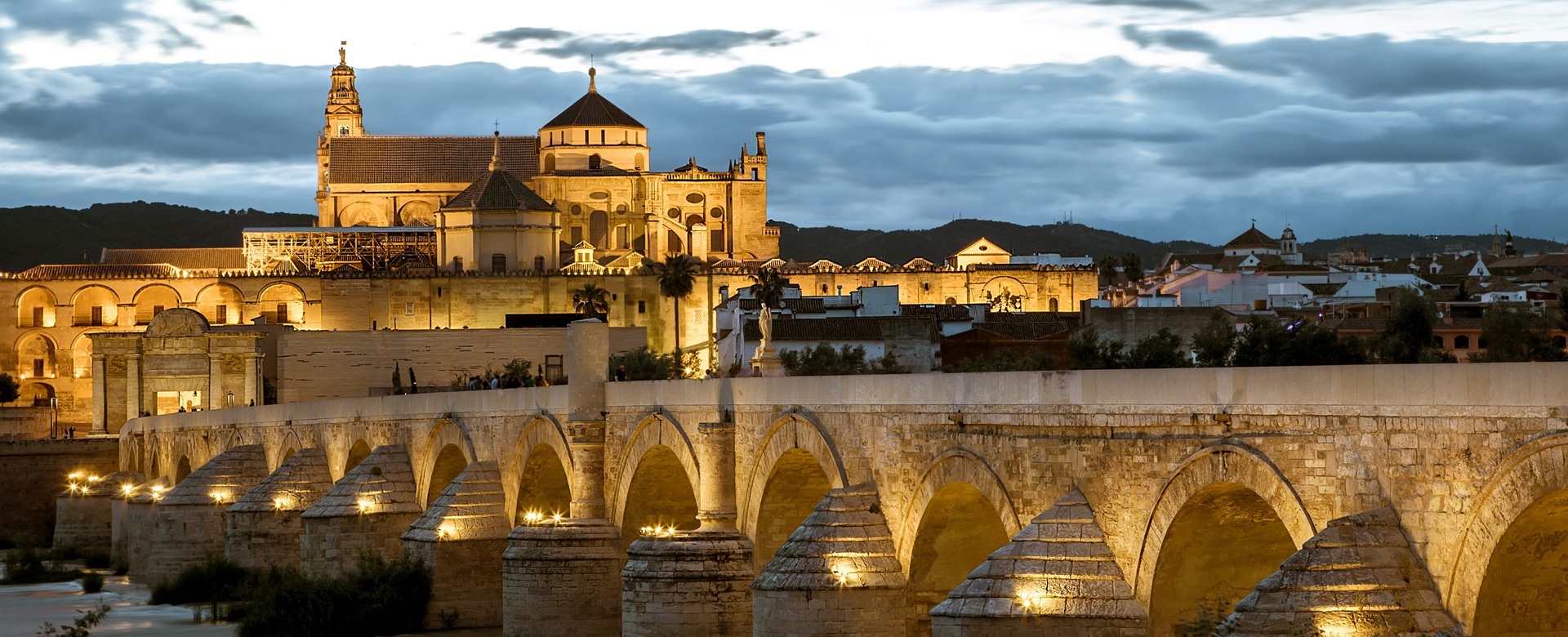
Andalusia is divided into eight provinces, each with unique areas of interest. The province of Almeria is distinguished by the Tabernas Desert and the wild beaches of the Cabo de Gata-Níjar Natural Park, while Granada is home to the famous Sierra Nevada Andalusia and the historic city of Granada. Malaga is renowned for the lively Costa del Sol Andalusia, an international seaside destination, and Cadiz for its golden beaches along the Costa de la Luz Andalusia and the picturesque villages of the Pueblos Blancos Andalusia. Huelva offers natural landscapes like the Doñana National Park, while Cordoba and Jaen are famous for their olive groves and historical monuments. Seville, the regional capital, represents the administrative and cultural heart. Those wishing to discover the variety of the main cities of Andalusia will find a mosaic of history, architecture, and traditions in every province.
Getting Around the Region
To navigate Andalusia, it is useful to know the layout of its provinces and main communication routes. The extensive highway and railway network effectively connects the cities of Andalusia, facilitating travel between the coast and inland. Distances between major cities are manageable even by car, offering the possibility to explore multiple areas in a single trip. Detailed maps are an indispensable tool for planning personalized Andalusian itineraries, which can include both coastal destinations and inland villages. The predominantly mild climate of Andalusia makes the region visitable year-round, but it is advisable to check seasonal conditions, especially if you plan to explore the mountains or participate in Andalusian festivals. Thanks to this variety and accessibility, Andalusia is confirmed as an ideal destination for every type of traveler.