 Andalusia
Discover Cordoba Province
Cordoba is one of the most historically rich and culturally significant provinces in Andalusia, located in the heart of southern Spain. Known for its extraordinary blend of Roman, Islamic, Jewish, and Christian heritage, Cordoba offers a unique journey through time, where ancient civilizations have left a lasting imprint on architecture, traditions, and everyday life — see the complete Andalusia guide for regional context.
From its UNESCO-listed historic center to picturesque whitewashed villages, rolling olive groves, and natural landscapes, Cordoba combines cultural depth with rural authenticity. It is a destination that perfectly represents the essence of inland Andalusia. Whether you are interested in history, architecture, gastronomy, or scenic countryside experiences, Cordoba offers a fascinating mix of attractions and itineraries.
Where is Cordoba?
Cordoba is located in the center of Andalusia, making it one of the most strategically positioned provinces in southern Spain. It borders Seville to the west, Jaén to the east, and Málaga and Granada to the south. The province is crossed by the Guadalquivir River, which plays a vital role in shaping its fertile landscapes, agriculture, and historical development — orient yourself with the Andalusia map and climate guide guides.
Cordoba also connects the inland plateau of Spain with the Andalusian coastal regions, making it an important crossroads for travel and commerce. Explore landscape detail in Cordoba — Nature and rural routes in Cordoba — Itineraries.
A Brief History of Cordoba
Cordoba has a long and fascinating history dating back to ancient Iberian settlements, later becoming an important Roman city in Hispania. Its most remarkable period came during the Islamic era, when Cordoba became the capital of the Emirate and later the Caliphate of Cordoba. Between the 10th and 11th centuries, it was one of the most advanced cities in Europe, known for its architecture, science, philosophy, and cultural diversity.
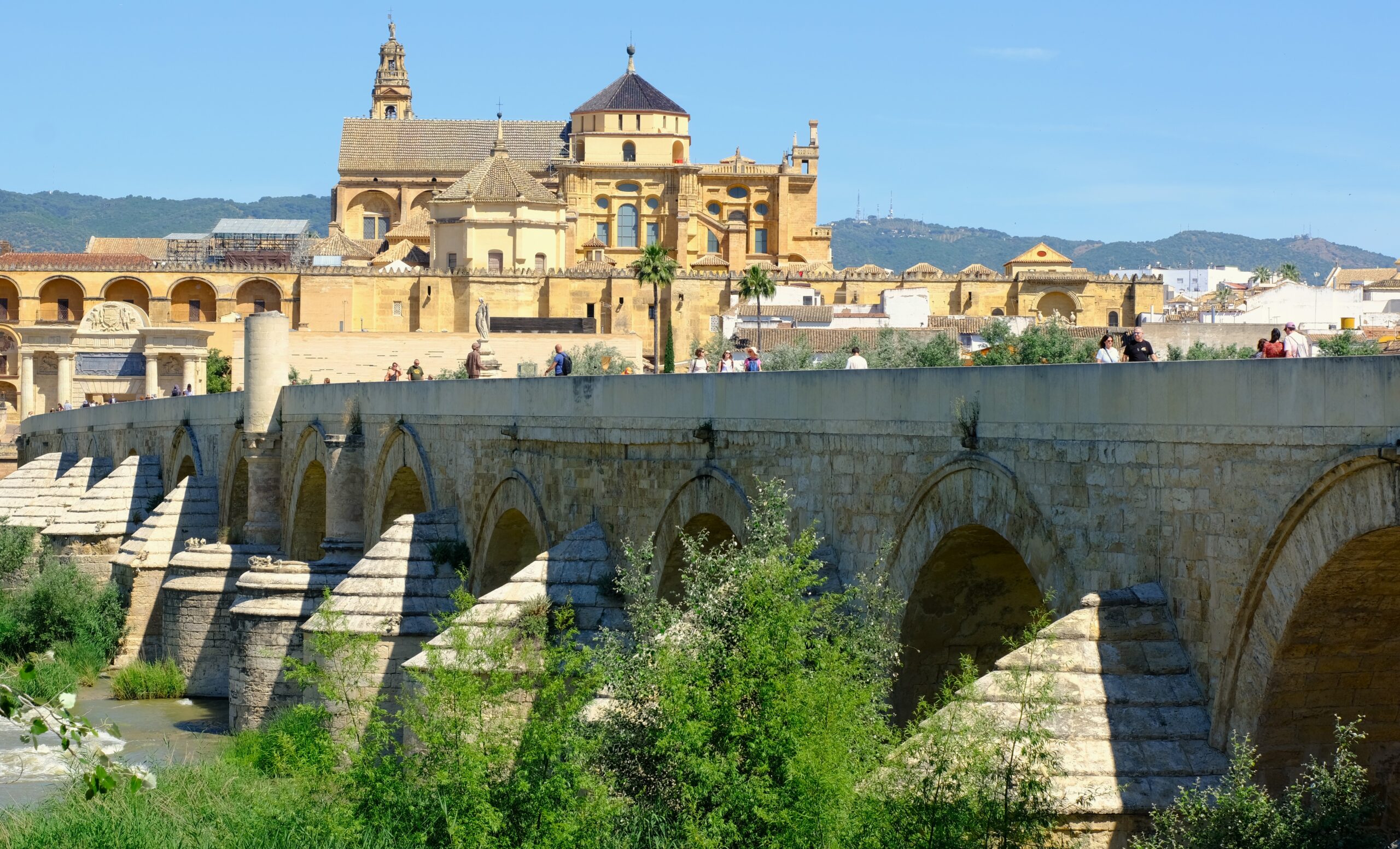
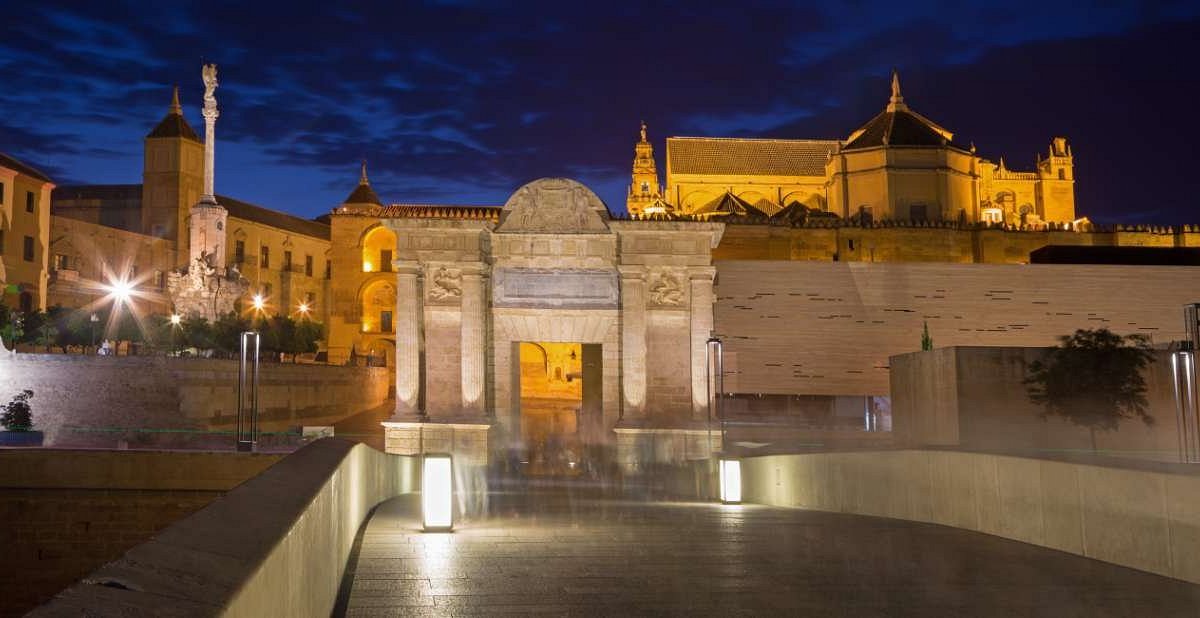
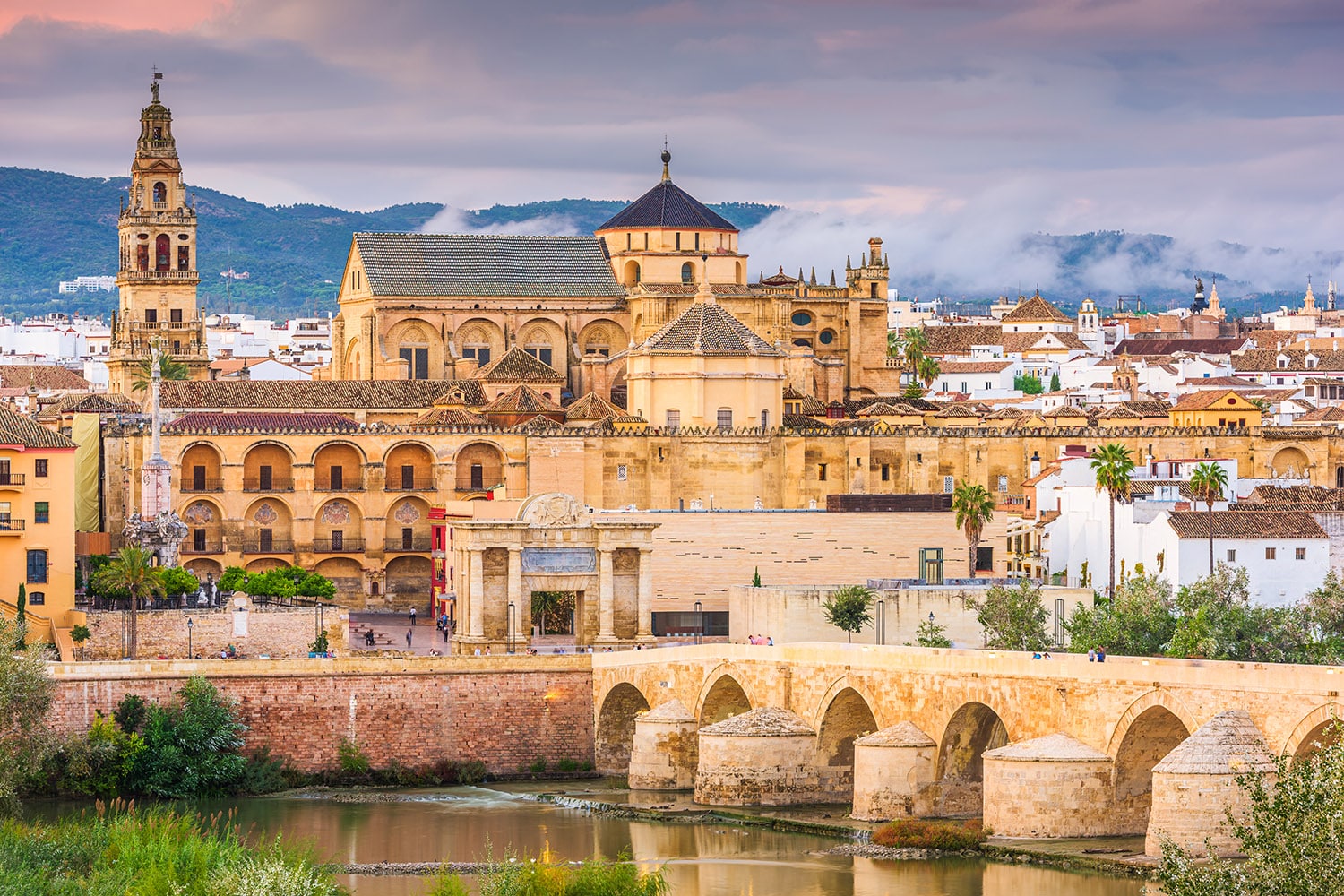
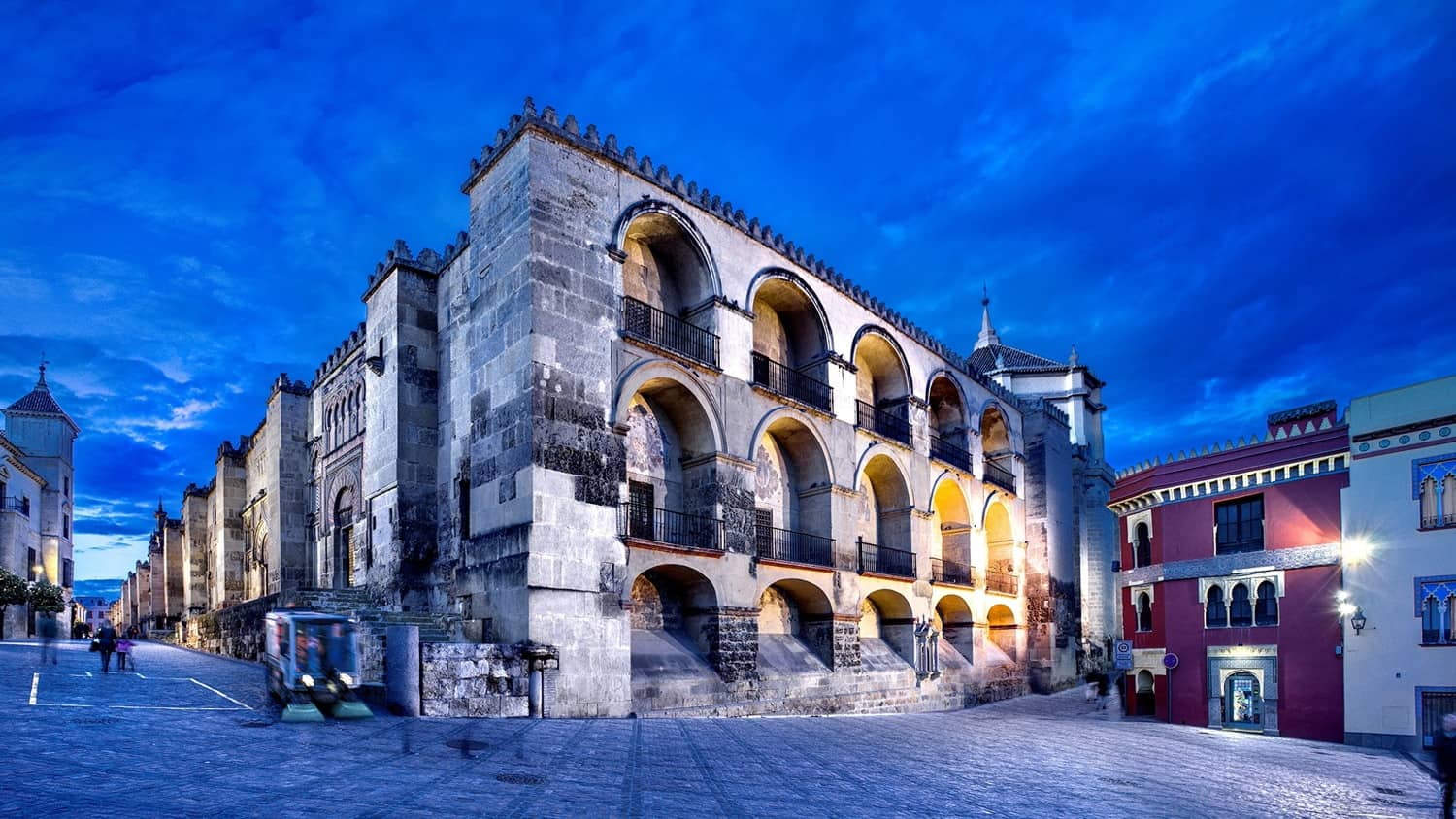
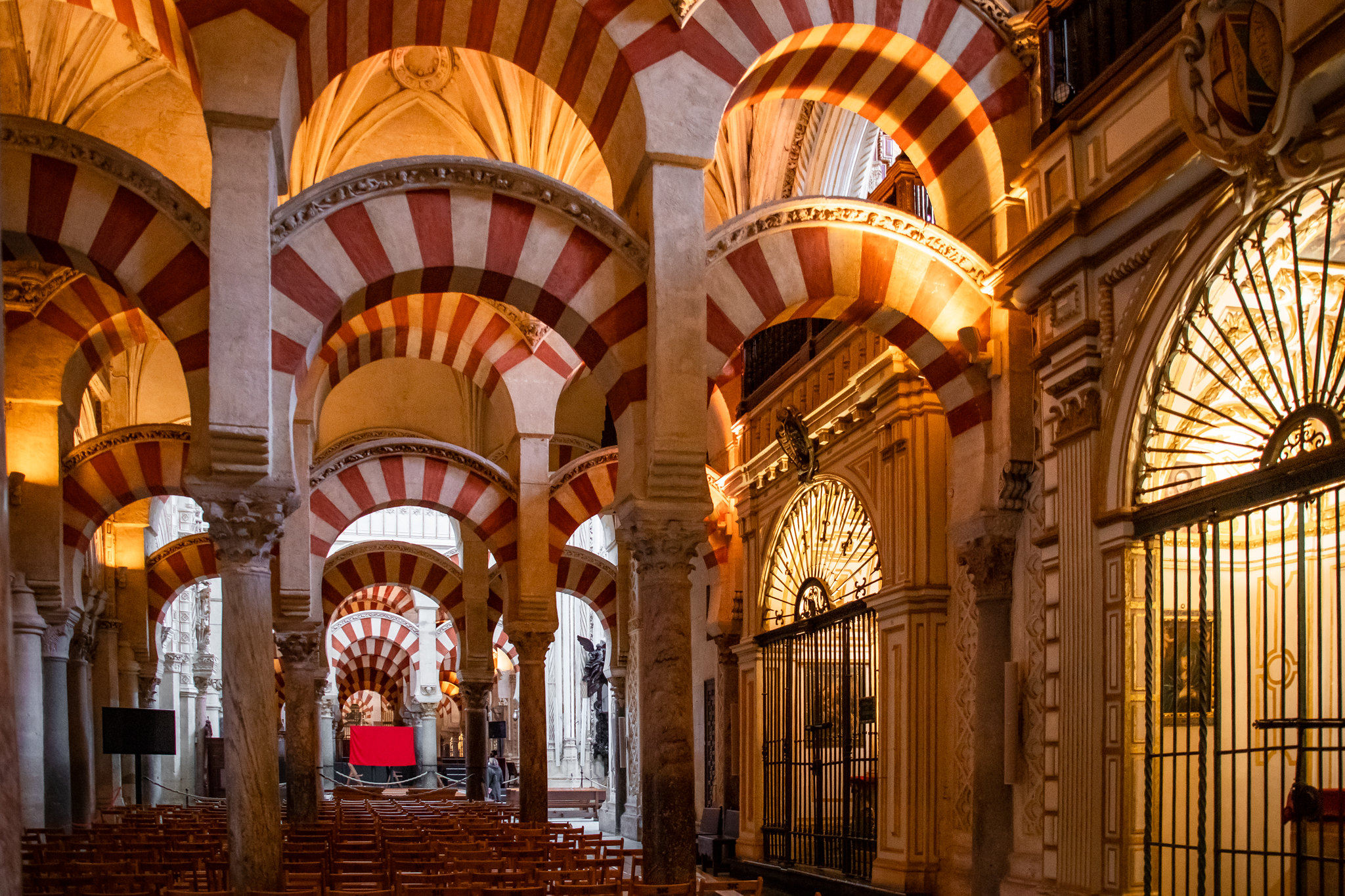
The iconic Mezquita-Catedral stands today as a powerful symbol of this golden age. After the Christian Reconquest in 1236, Cordoba continued to evolve, blending Islamic, Christian, and Jewish influences into a unique cultural identity that still defines the province — browse the Cordoba — What to see section for landmark-by-landmark planning.
Top Places to Visit in Cordoba Province
Cordoba offers a wide variety of destinations beyond its famous capital city. Use the Cordoba — Main cities index and Cordoba — What to see guide to build a route that matches your interests.
Cordoba City
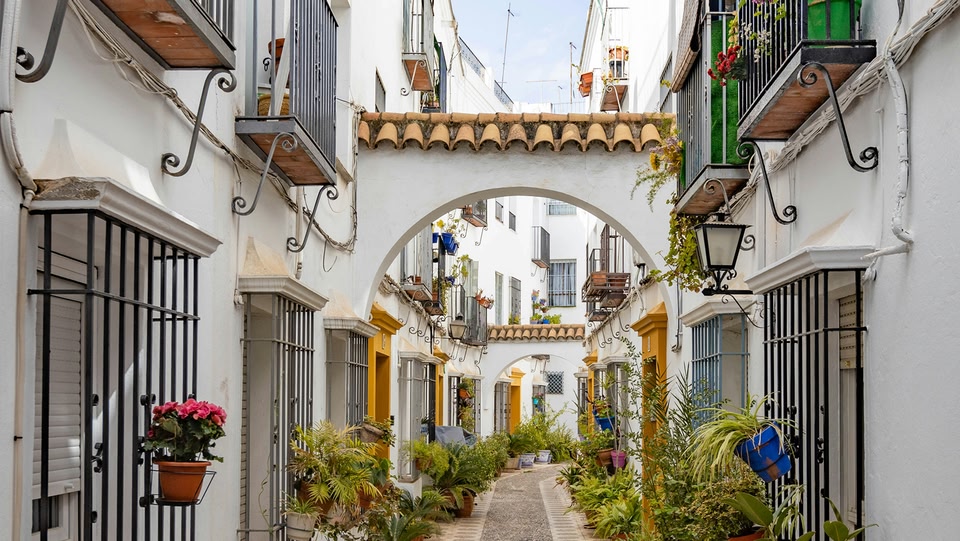
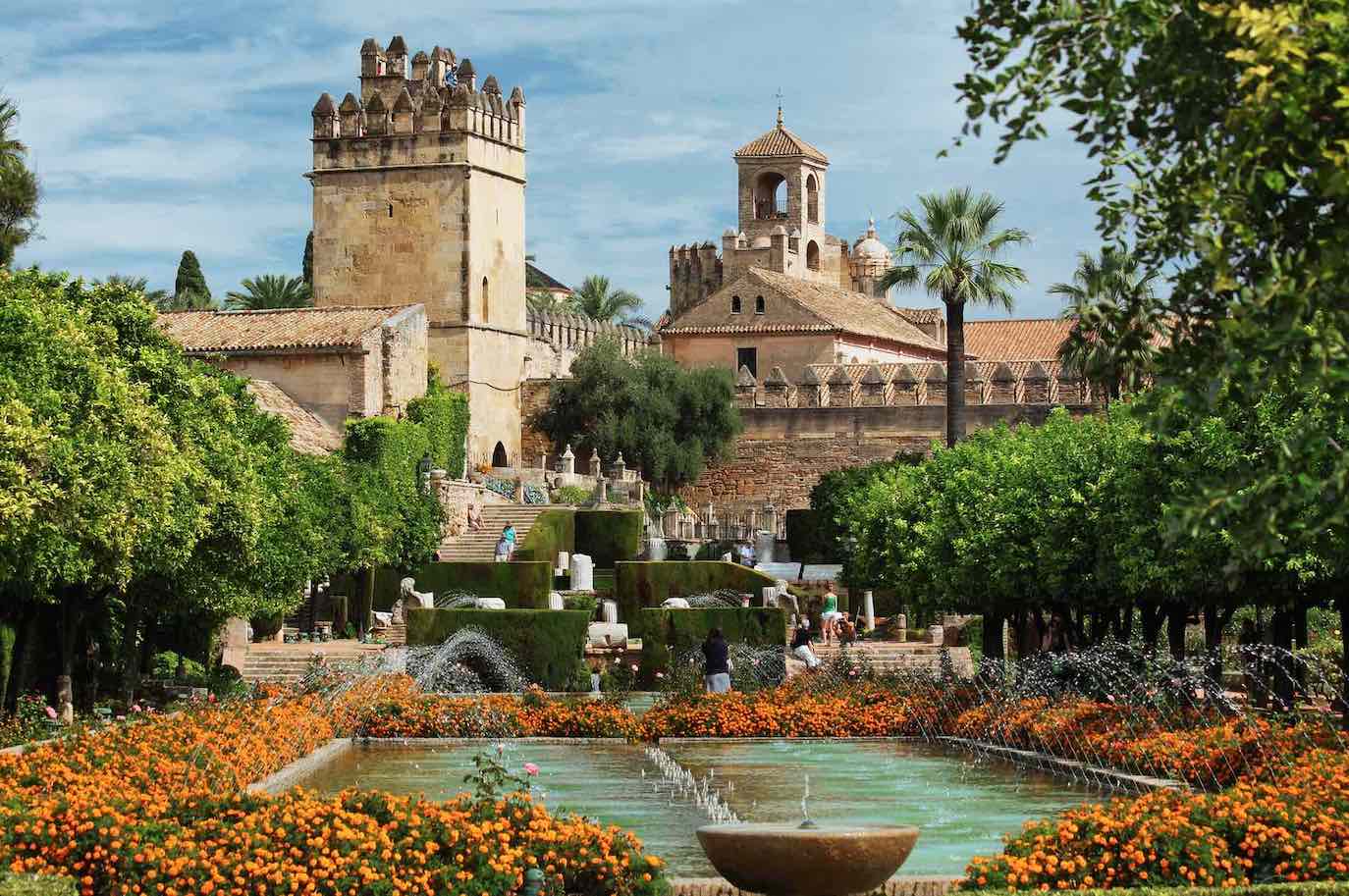
The provincial capital is a UNESCO World Heritage Site, known for the Mezquita, the Roman Bridge, the Jewish Quarter, and its flower-filled patios. See the Cordoba — Main cities and Cordoba — What to see pages for city detail, and Cordoba — Events for the Festival of the Patios.
Priego de Cordoba
A beautiful baroque town known for its fountains, historic architecture, and scenic mountain surroundings in the Subbética. Pair it with Cordoba — Nature for hiking routes and Cordoba — Itineraries for inland loops.
Montilla
Famous for its wine production (Montilla-Moriles), traditional bodegas, and agricultural heritage. Explore tasting routes via Cordoba — Food and the regional traditional food and local gastronomy cluster.
Lucena
A historic town with strong Jewish heritage and artisan traditions. Add it to cultural itineraries linked from Cordoba — What to see and Cordoba — Main cities.
Puente Genil
Known for its festivals, agriculture, and cultural traditions along the Genil River. Check seasonal highlights in Cordoba — Events and the festivals and cultural celebrations cluster.
Cabra and Baena
Traditional inland towns surrounded by olive groves, offering authentic rural Andalusian life. Compare olive-country scenery with neighboring Jaén and plan slow-travel routes in Cordoba — Itineraries.
Nature and Landscapes in Cordoba
Beyond its cultural heritage, Cordoba offers diverse natural landscapes. Key highlights include the Sierra Morena mountain range, Subbética Natural Park, Guadalquivir River valley, extensive olive grove landscapes, and rural hiking routes and viewpoints. The province is especially famous for its endless olive oil fields, which shape both the economy and the scenery — plan outdoor days in Cordoba — Nature and the things to do in Andalusia hub, with seasonal tips in Cordoba — Weather.
Culture and Traditions in Cordoba
Cordoba is a cultural mosaic shaped by centuries of coexistence between different civilizations. Some of its most important traditions include the Festival of the Patios (UNESCO Intangible Heritage), Semana Santa processions, the Feria de Cordoba, flamenco performances, and local village festivals tracked in Cordoba — Events and the festivals and cultural celebrations cluster. These events reflect the deep cultural identity and community spirit of the province.
Food and Gastronomy in Cordoba
Cordoba is known for its rich and authentic cuisine, based on simple but high-quality ingredients. Typical dishes include salmorejo (cold tomato cream), flamenquín, oxtail stew (rabo de toro), Iberian ham, local olive oil, and Montilla-Moriles wines. Gastronomy plays a central role in Cordoba's culture, with recipes deeply rooted in tradition — dive deeper in Cordoba — Food and compare with neighboring Jaén for olive-country flavors.
Suggested Itineraries in Cordoba
Cordoba is ideal for cultural and inland Andalusia itineraries. Popular routes include a Cordoba City cultural tour, an olive oil and countryside route, a Subbética Natural Park itinerary, baroque towns exploration, a Moorish heritage route, and a rural villages slow-travel experience linking Seville, Córdoba, and Granada. Start with Cordoba — Itineraries and the Andalusia road trips and itineraries cluster for themed routes.
Plan Your Trip to Cordoba
With its unique blend of Roman, Islamic, and Christian heritage, breathtaking architecture, olive-covered landscapes, and authentic Andalusian culture, Cordoba is one of the most complete inland destinations in Spain. Whether you explore historic monuments, traditional villages, or natural parks, the province offers a deep and unforgettable travel experience.
Use the Cordoba — Complete guide section, Cordoba — Weather forecasts, and the transport and travel tips guide to finalize timing and logistics for your journey through the heart of Andalusia.