 Andalusia
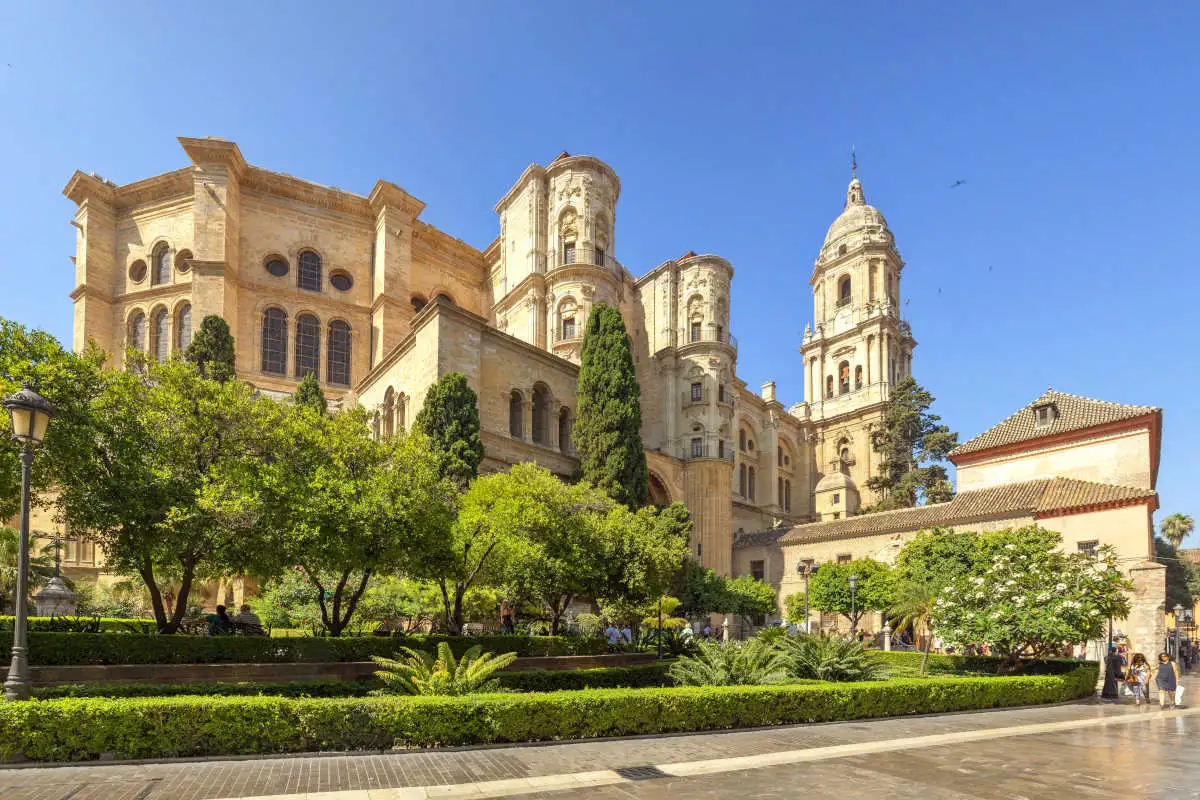
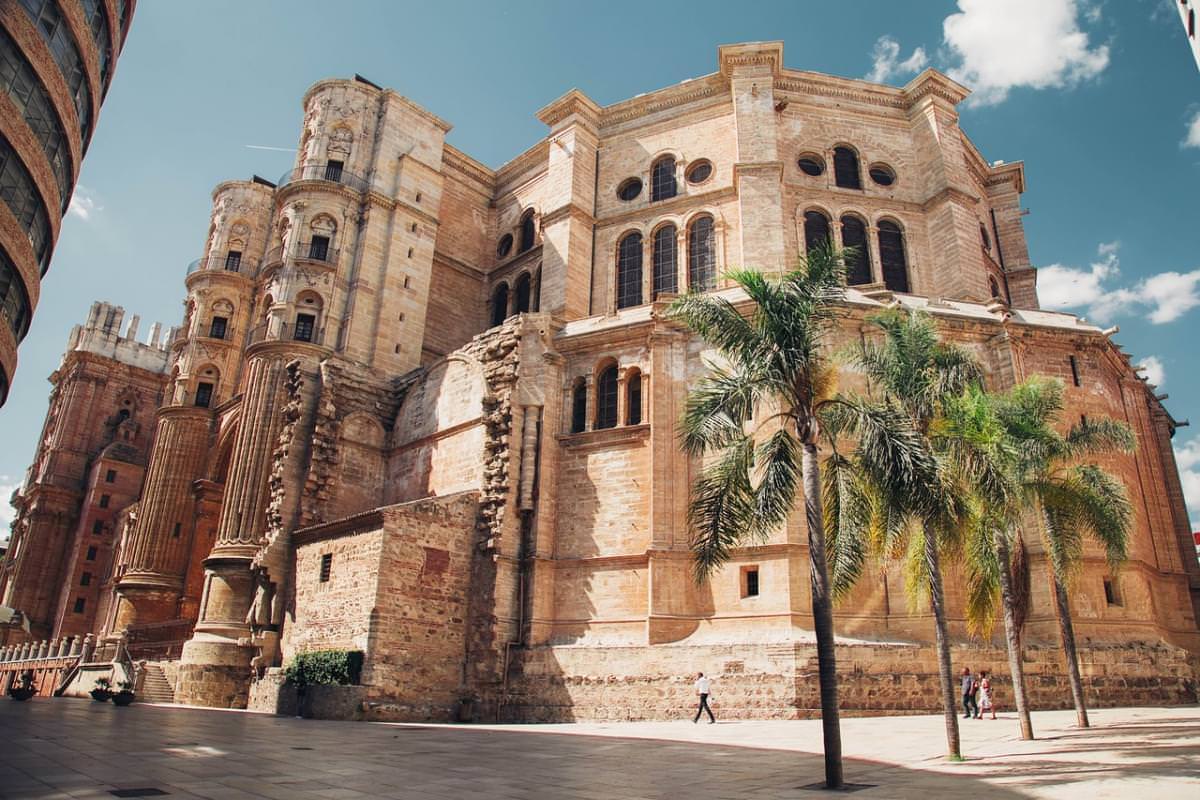
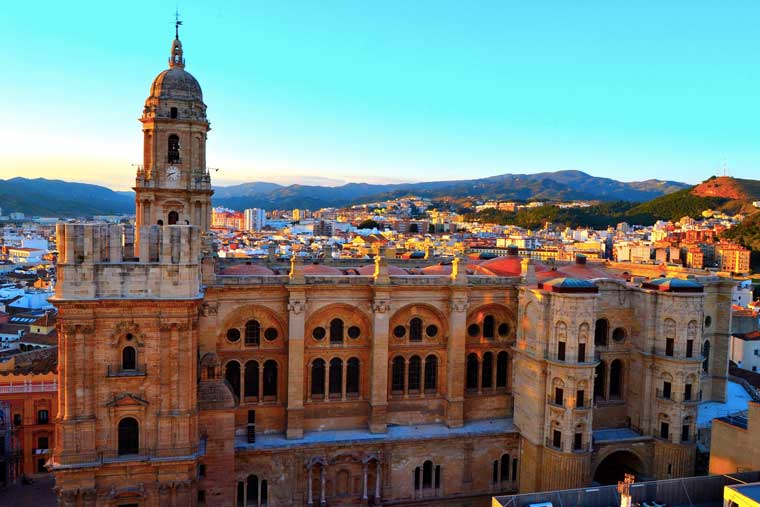
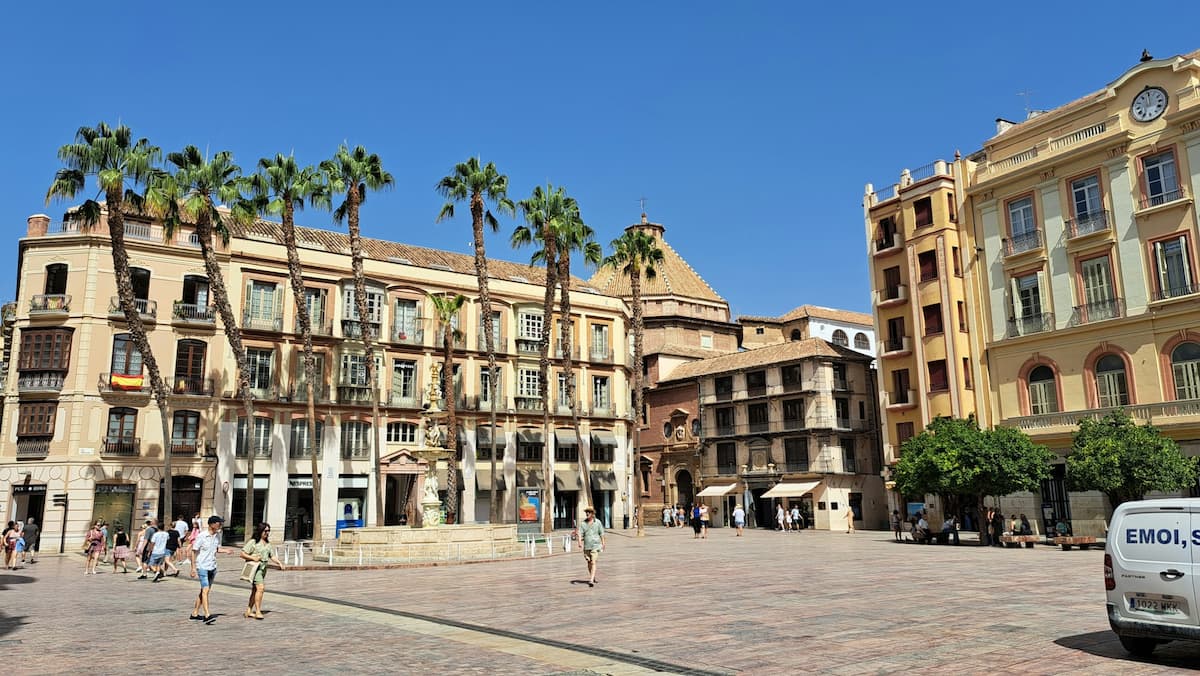
Discover Malaga Province
Malaga is one of the most popular and diverse provinces in Andalusia, located in southern Spain along the Mediterranean coast. Famous for the Costa del Sol, its beaches, cosmopolitan cities, and charming white villages, Malaga combines sea, mountains, culture, and modern tourism in one destination — see the complete Andalusia guide for regional context.
Beyond its coastal resorts, Malaga also offers stunning natural parks, historic towns like Ronda, and a rich cultural heritage that reflects its Phoenician, Roman, and Moorish past. It is a perfect destination for beach holidays, cultural trips, food experiences, and outdoor adventures all year round.
Where is Malaga?
Malaga is located in southern Andalusia, on the Mediterranean Sea. It borders Cádiz to the west, Seville and Córdoba to the north, Granada to the east, and the Mediterranean Sea to the south. The province features a highly diverse landscape: Costa del Sol coastline, Sierra de las Nieves mountains (UNESCO Biosphere Reserve), Axarquía hills and inland villages, fertile valleys and agricultural areas, and famous white villages in the Pueblos Blancos — orient yourself with the Andalusia map and climate guide guides.
Thanks to its international airport and strong transport connections, Malaga is one of the easiest provinces to reach in southern Spain — see the transport and travel tips guide and provincial Malaga — Main cities section for arrival and local travel.
A Brief History of Malaga
Malaga was founded by the Phoenicians in the 8th century BC as an important Mediterranean trading port. Later, the Romans developed the city further, leaving landmarks such as the Roman Theatre, still visible in the historic center today. During the Islamic period, Malaga became a prosperous city of Al-Andalus, known for its fortress (Alcazaba), agriculture, and silk production.
In 1487, the Catholic Monarchs conquered the city, marking the beginning of the Christian period and a new phase of urban development. In the 19th and 20th centuries, Malaga experienced industrial growth, followed by rapid tourism expansion in the modern era, transforming it into one of Spain's leading travel destinations. Today, its history is visible in its architecture, monuments, and cultural identity — browse the Malaga — What to see section for landmark-by-landmark planning.
Top Places to Visit in Malaga Province
Malaga offers a wide variety of destinations, from coastal resorts to historic inland towns. Use the Malaga — Main cities index and Malaga — What to see guide to build a route that matches your interests.
Malaga City
The capital is known for its historic center, Alcazaba fortress, Roman Theatre, Picasso Museum, and lively port area. See the Malaga — Main cities and Malaga — What to see pages for city detail.
Marbella
One of the most famous luxury destinations in Europe, known for beaches, nightlife, and upscale tourism on the Costa del Sol. Find resort tips and beach access in Malaga — Beaches and ranked coastal picks in the best beaches and coastal destinations cluster.
Torremolinos
A popular coastal town offering beaches, entertainment, and a vibrant holiday atmosphere. Explore beach-by-beach detail in Malaga — Beaches alongside other Costa del Sol highlights.
Ronda
A spectacular mountain town built above a deep gorge, famous for its Puente Nuevo bridge and historic old town. Pair it with the Pueblos Blancos guide and Malaga — Itineraries for inland loops.
Nerja
Known for its caves (Cuevas de Nerja), cliffs, and beautiful beaches along the eastern coast toward Granada. Plan coastal days via Malaga — Beaches and Malaga — Nature.
Mijas
A picturesque white village offering panoramic views, traditional Andalusian charm, and cobbled streets. Combine with the Pueblos Blancos pillar and Malaga — Itineraries for village-and-coast routes.
Beaches and Costa del Sol
The Costa del Sol is one of the most famous coastal areas in Europe, offering long sandy beaches, beach clubs and resorts, clear Mediterranean waters, year-round sunshine, and water sports and leisure activities. Popular beaches include those in Marbella, Torremolinos, Benalmádena, and Nerja — see full coverage in Malaga — Beaches and compare with Cádiz on the Atlantic coast.
Nature and Outdoor Activities in Malaga
Beyond the coast, Malaga is rich in natural landscapes and protected areas. Key highlights include Sierra de las Nieves National Park (UNESCO Biosphere Reserve), El Torcal de Antequera limestone formations, Axarquía mountain trails, Guadalhorce River wetlands, and hiking routes through white villages linked from the Pueblos Blancos guide. Activities include hiking, cycling, climbing, birdwatching, and rural tourism — plan routes in Malaga — Nature, Malaga — Itineraries, and the things to do in Andalusia hub, with seasonal tips in Malaga — Weather.
Culture and Traditions in Malaga
Malaga has a vibrant cultural identity that blends Andalusian tradition with modern lifestyle. Key cultural events include Semana Santa celebrations, the Feria de Agosto (Malaga Fair), flamenco shows and festivals, and local village fiestas tracked in Malaga — Events and the festivals and cultural celebrations cluster. The province is also known for its museums, including the Picasso Museum and Centre Pompidou Malaga.
Food and Gastronomy in Malaga
Malaga cuisine is based on Mediterranean ingredients and coastal traditions. Typical dishes include espeto de sardinas (grilled sardines on the beach), fritura malagueña (fried fish mix), gazpachuelo (traditional soup), fresh seafood and tapas, and sweet Malaga wines. Local gastronomy is deeply tied to beach culture and Andalusian traditions — dive deeper in Malaga — Food and the regional traditional food and local gastronomy cluster.
Suggested Malaga Itineraries
Malaga is ideal for diverse travel experiences. Popular itineraries include a Costa del Sol beach holiday route, a white villages road trip through the Pueblos Blancos, a Ronda and mountain landscapes tour, a cultural Malaga city break, an Axarquía rural exploration, and a nature and national parks itinerary linking Málaga, Granada, and Córdoba. Start with Malaga — Itineraries and the Andalusia road trips and itineraries cluster for themed routes.
Plan Your Trip to Malaga
With its mix of beaches, mountains, historic towns, and vibrant culture, Malaga is one of the most complete destinations in Andalusia. It is perfect for travelers looking for sun, sea, culture, nightlife, and nature all in one province, with excellent infrastructure and year-round accessibility.
Use the Malaga — Complete guide section, Malaga — Weather forecasts, and the transport and travel tips guide to finalize timing and logistics for your journey through southern Andalusia.