 Andalusia

Best Time to Visit
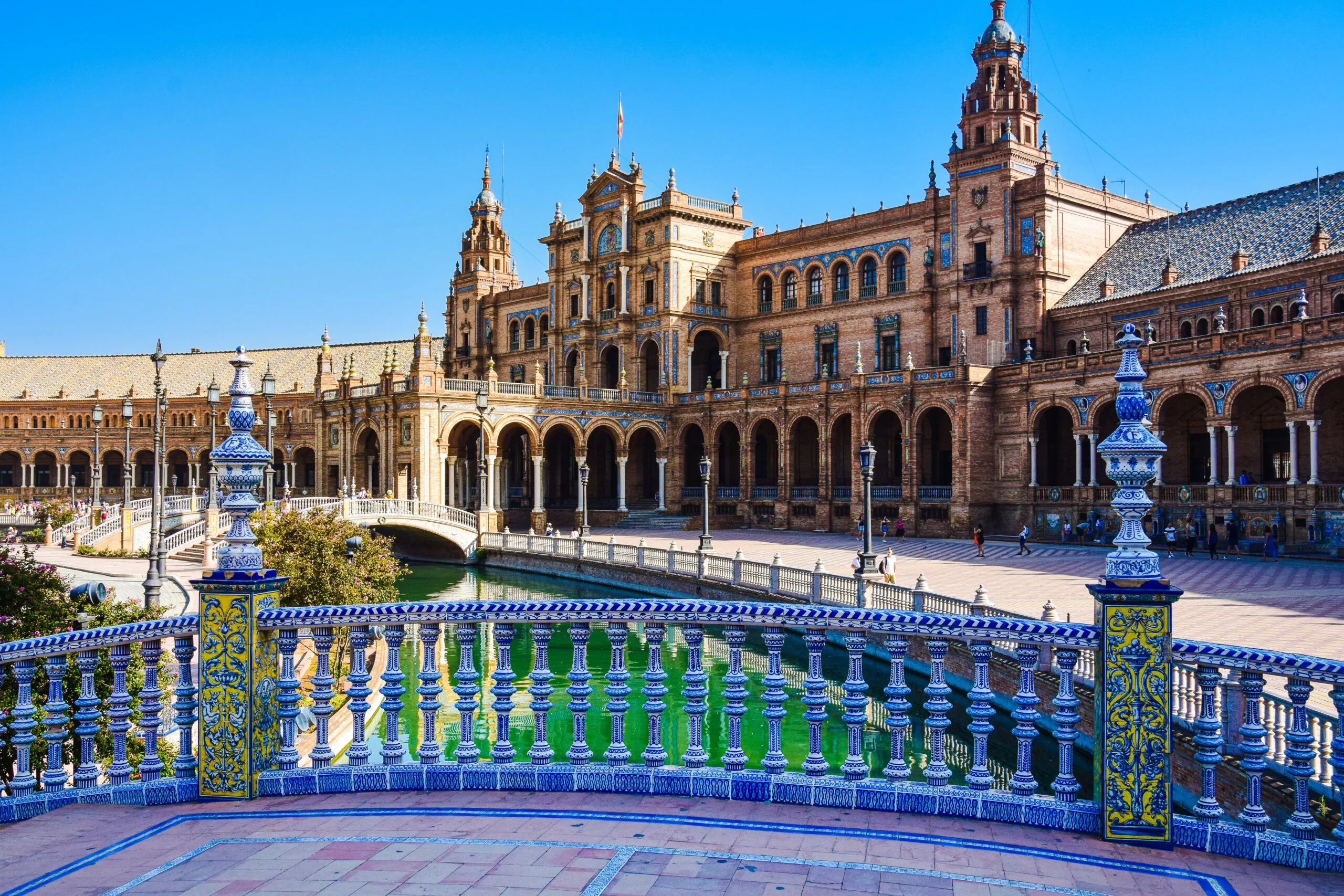
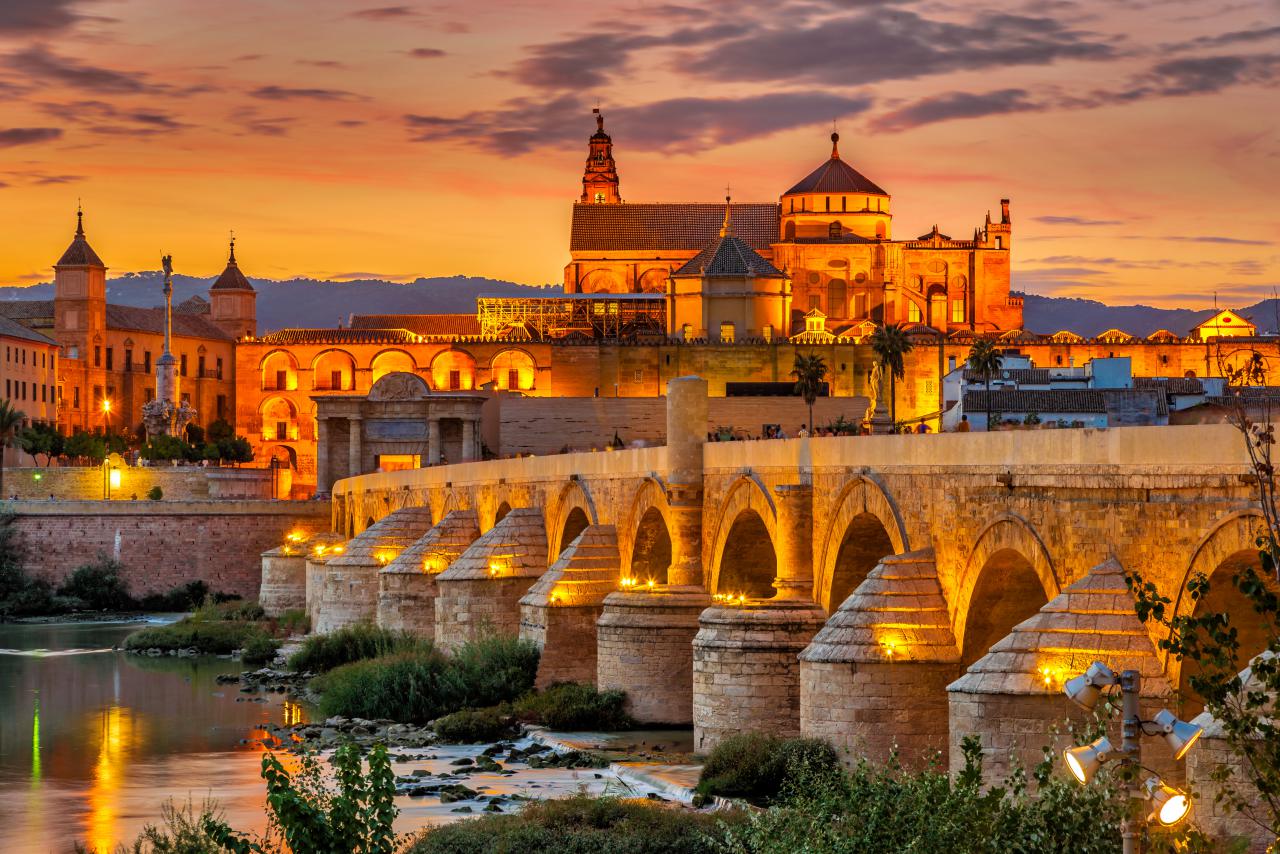
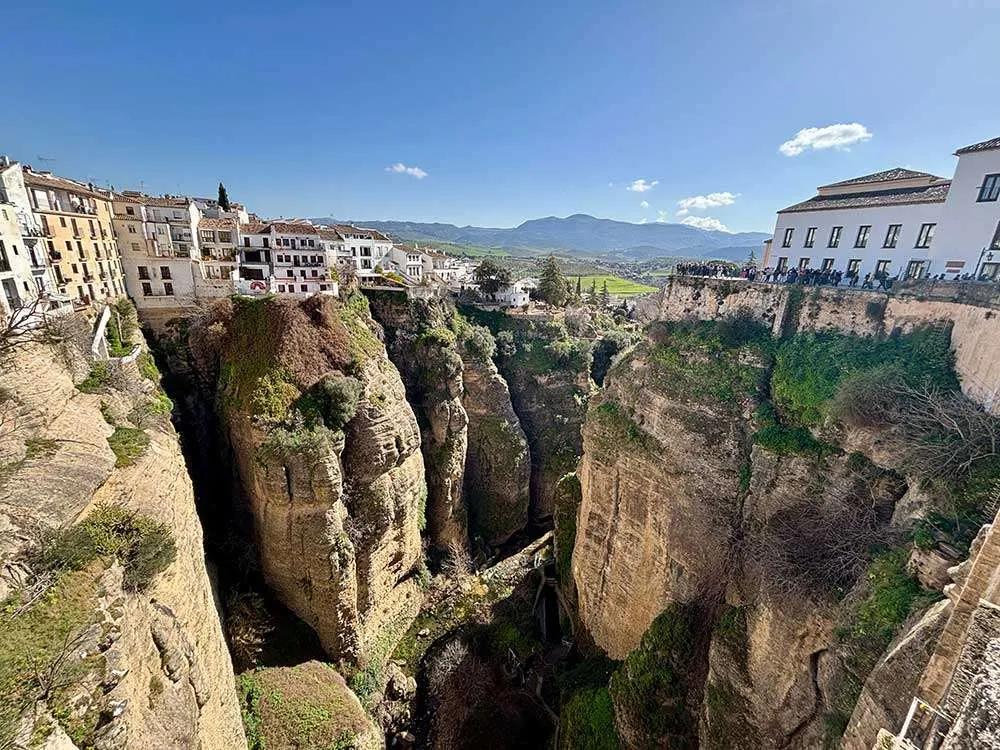
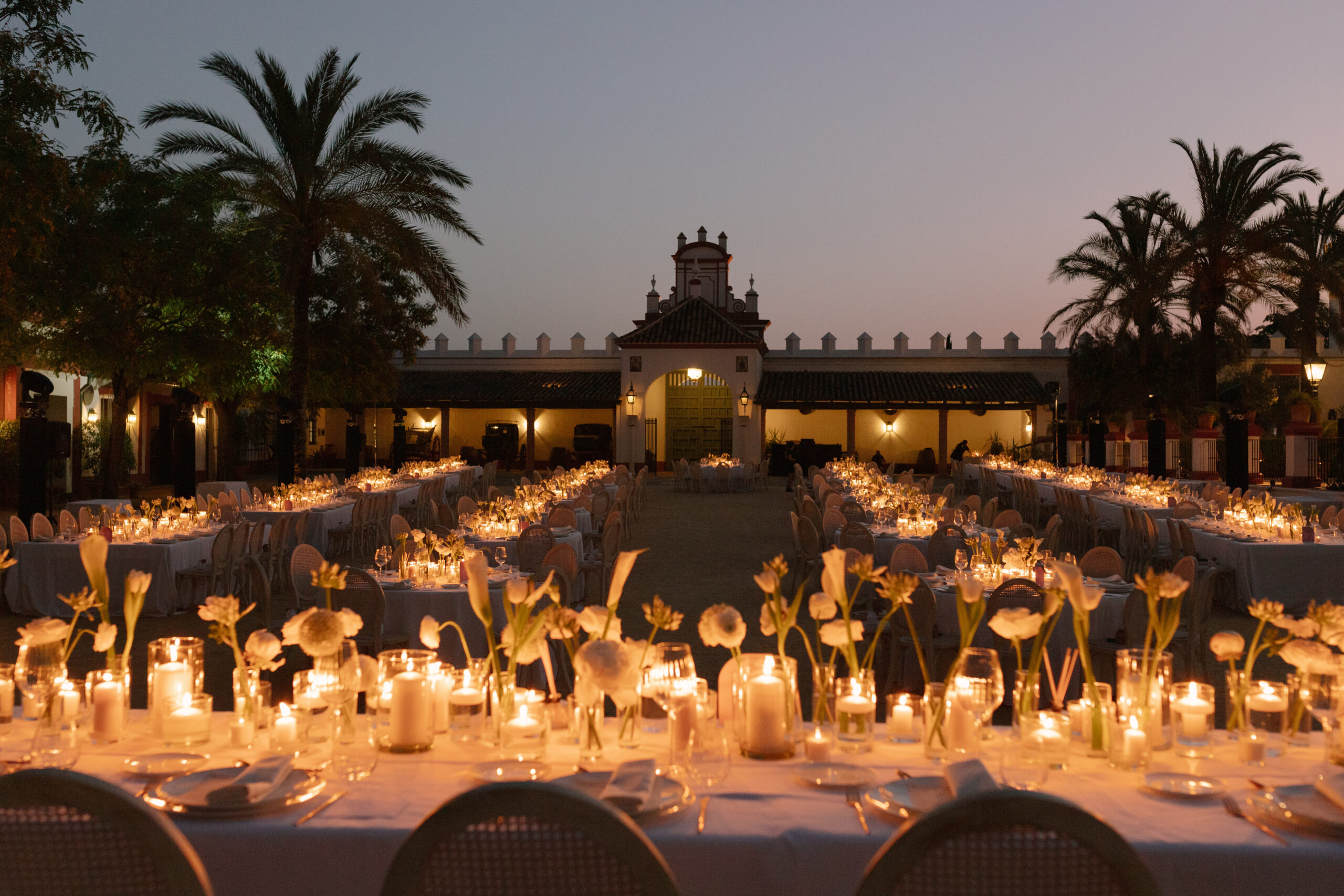
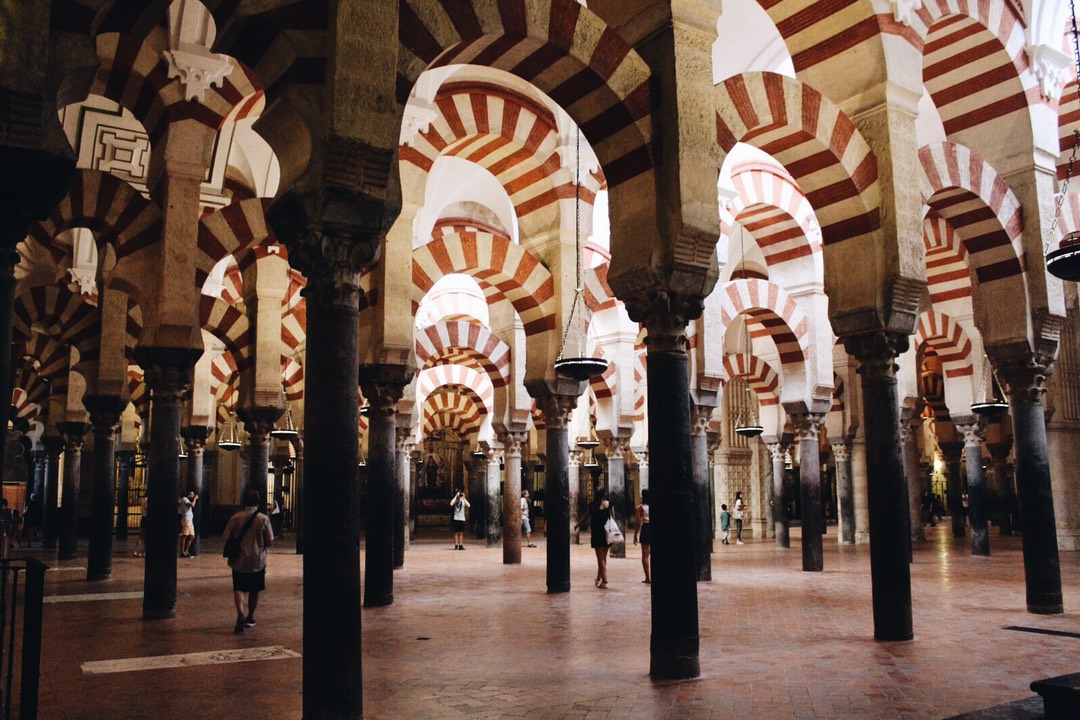
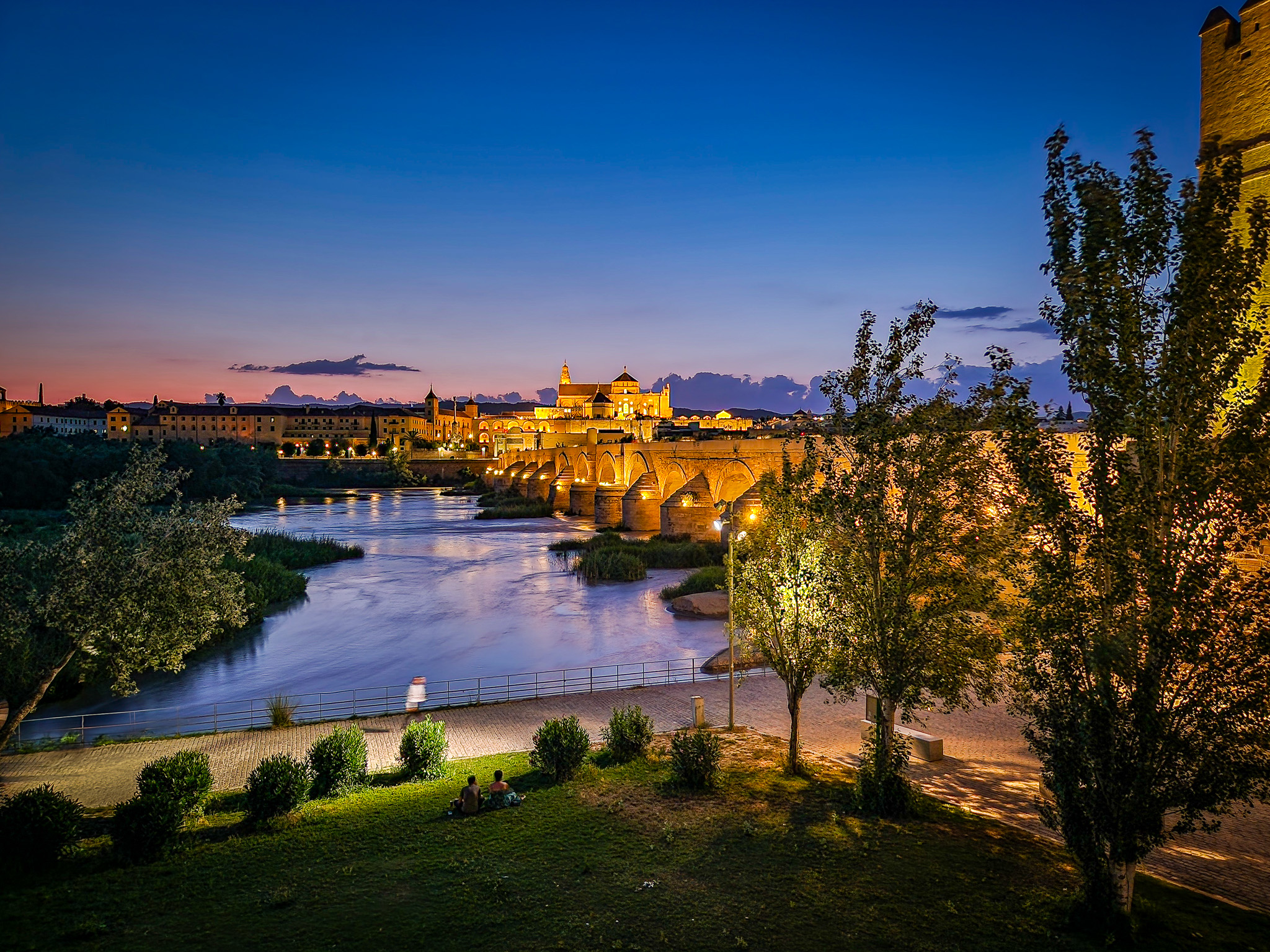
Andalusia is a region that inspires emotion in every season, but the best time to visit depends largely on the experiences you want. From March to June and from September to November, the climate is mild and pleasant — ideal for exploring historic cities such as Seville, Córdoba, and Granada without the intense summer heat. Spring is especially evocative thanks to orange blossom and folkloric events that animate the main cities; pair the festivals and cultural celebrations cluster with Seville — Events for timing.
Autumn still offers comfortable temperatures and fewer crowds — perfect for quiet days in the countryside of Jaén or on the wilder beaches of Almería via Almeria — Beaches. Winter can also surprise: coastal cities on the Costa del Sol and Costa de la Luz enjoy sunny, mild days, while snow lovers can enjoy winter sports in the Sierra Nevada. Choosing the right moment also means weighing differences between coast, inland, and mountains, as explored in the dedicated climate guide guide.
High and Low Season
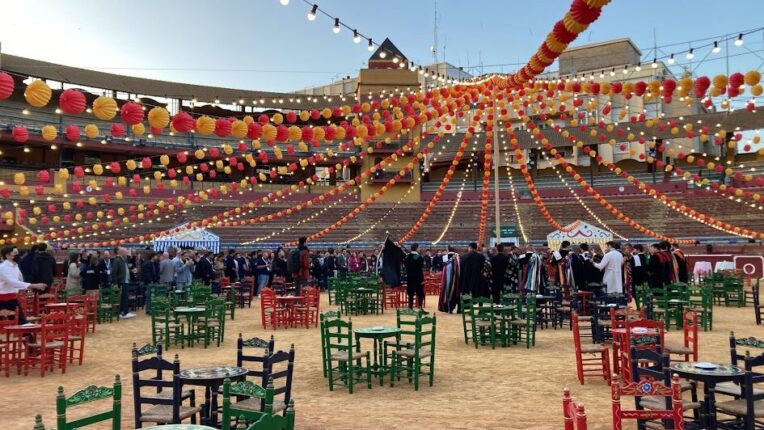
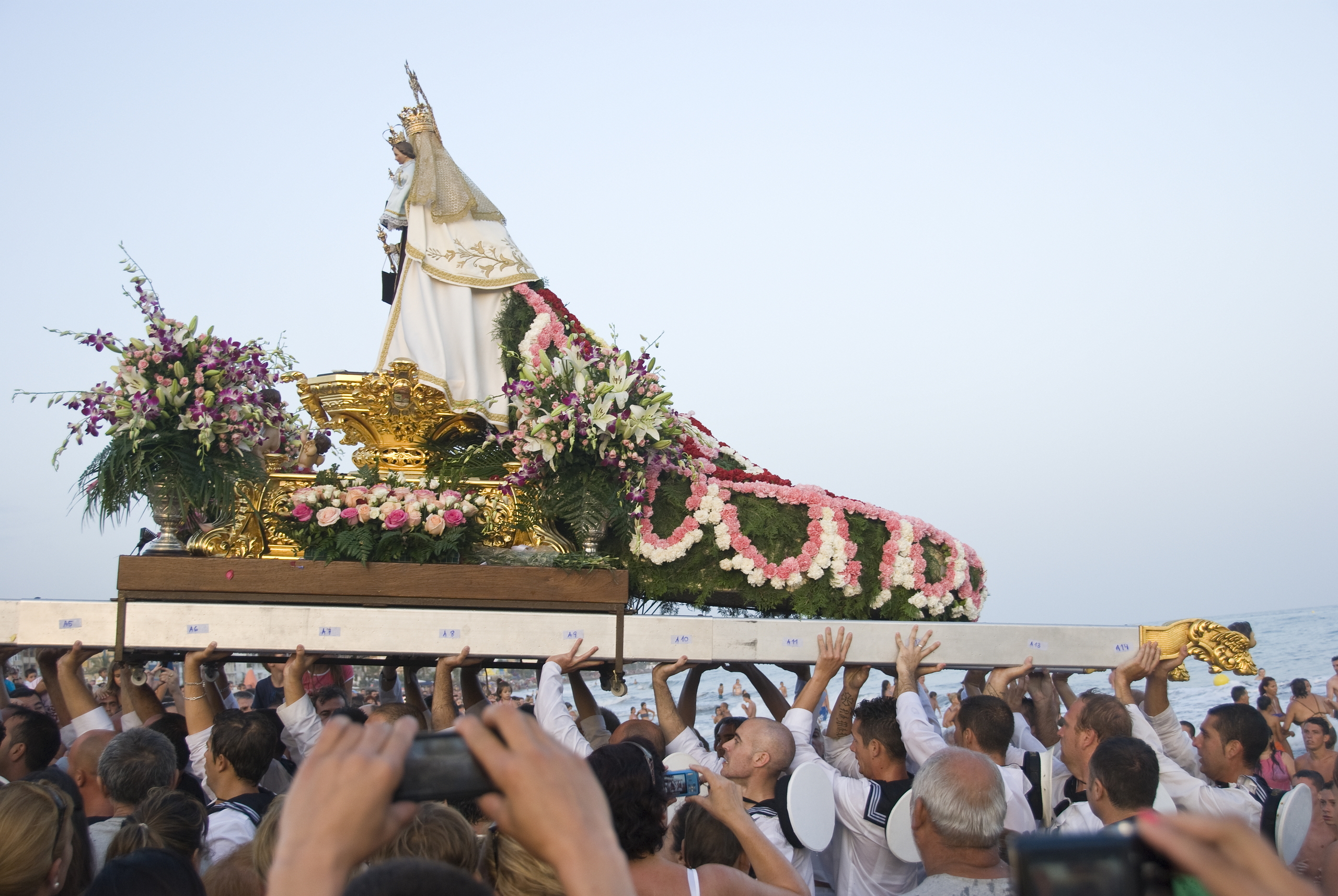
In Andalusia, high season mainly coincides with summer, from June to September, when beaches on the Costa del Sol and Costa de la Luz fill with visitors seeking sea and nightlife — see Malaga — Beaches and Cadiz — Beaches for local detail. Peaks also occur during Semana Santa (Holy Week) and the Feria de Abril in Seville, when cities and towns come alive with processions and celebrations tracked in festivals and cultural celebrations and Seville — Events.
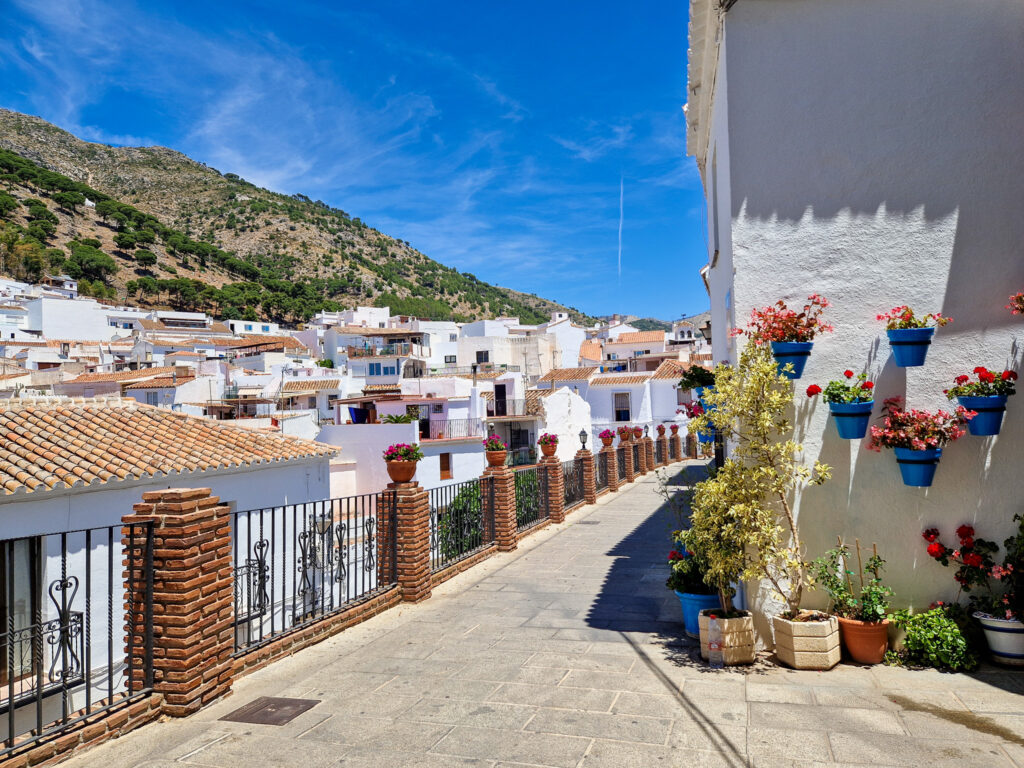
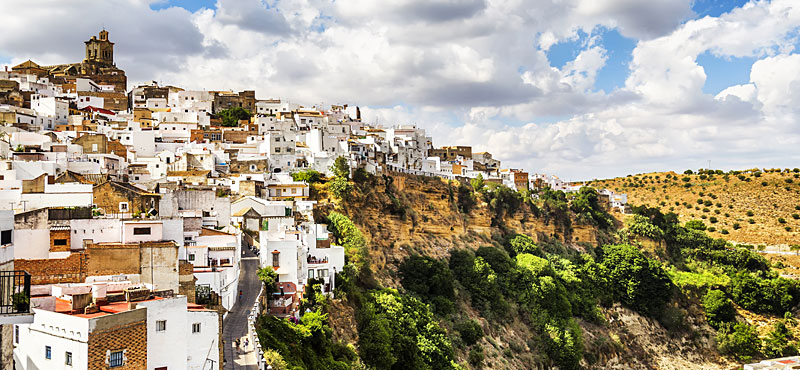
Low season generally runs from November to February, excluding the Christmas period, and is ideal for visiting art cities such as Córdoba and Granada with more tranquillity. You can often find better prices and a more authentic atmosphere in inland villages in Jaén and Huelva. The regional overview helps explain how seasons affect each province so you can plan around your preferences and provincial Cordoba — Weather or Granada — Weather pages.
Events and Calendar
The Andalusian calendar is rich with events that mark the year and make every period unique. Among the most famous are Semana Santa, celebrated solemnly across all provinces, and the Feria de Abril in Seville — a burst of colour, music, and popular tradition. Summer brings patron-saint festivals, music events, and beach celebrations especially in coastal Málaga and Cádiz.
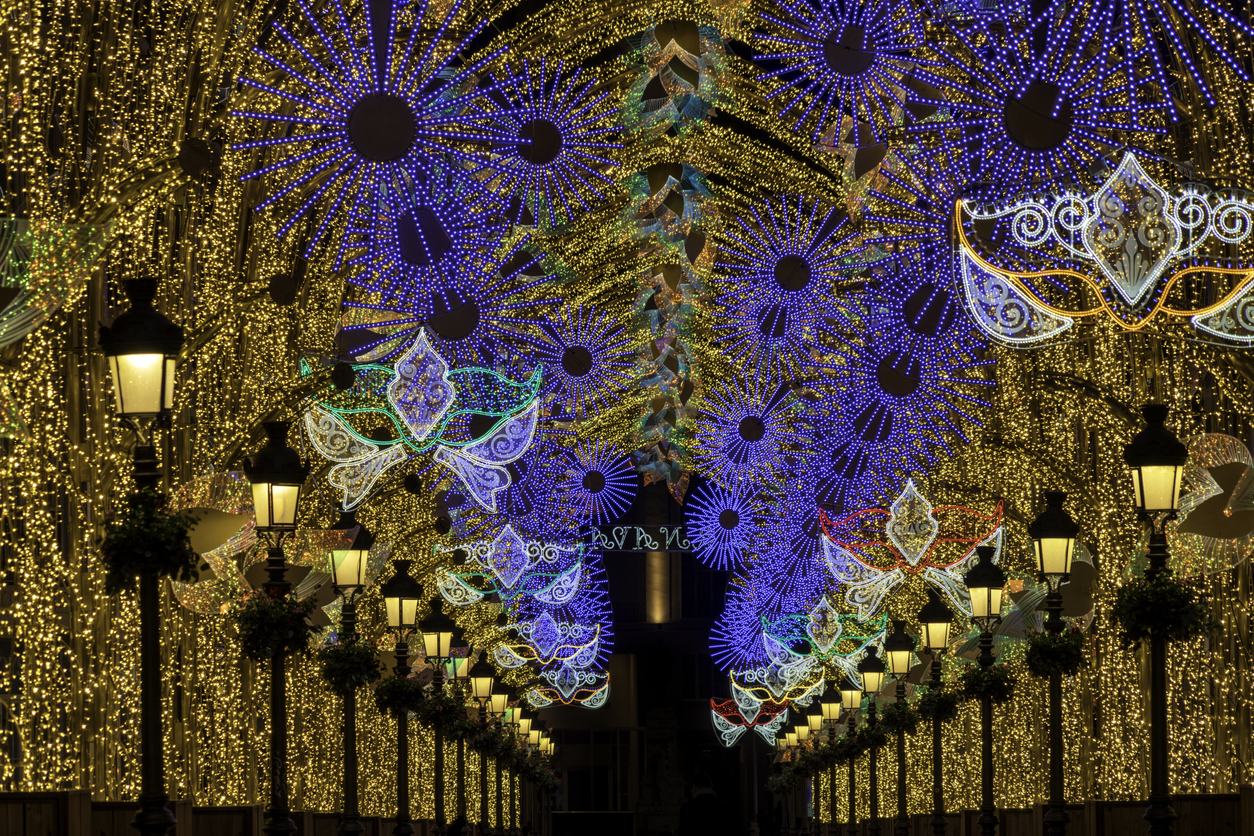
In autumn, Córdoba and Granada host food festivals and fairs dedicated to local produce — explore Cordoba — Food and Granada — Food. Winter puts the mountains centre stage with sports events in the Sierra Nevada. For local festivals and authentic traditions in every province, the events calendar offers a detailed overview of major dates and unmissable appointments alongside the festivals and cultural celebrations hub.
Practical Tips
To organise an Andalusia trip well, consider practical aspects linked to your chosen period. In summer, temperatures can exceed 40°C in the inland Seville and Córdoba heartlands — check Seville — Weather and Cordoba — Weather, plan visits in cooler hours, and favour the coast for breezier conditions. In spring and autumn, the climate suits Andalusia road trips and itineraries between cities and nature, whether hiking trails or quieter coves in Almeria — Beaches and Almeria — Nature.
During major festivals, book accommodation and transport well ahead because visitor numbers surge. The Andalusia map is very useful for planning moves between provinces and optimising travel time. Finally, transport and travel tips information helps you move easily between cities, coasts, and rural areas — and the climate guide guide adds seasonal detail for a complete, authentic trip.