 Andalusia


Overview
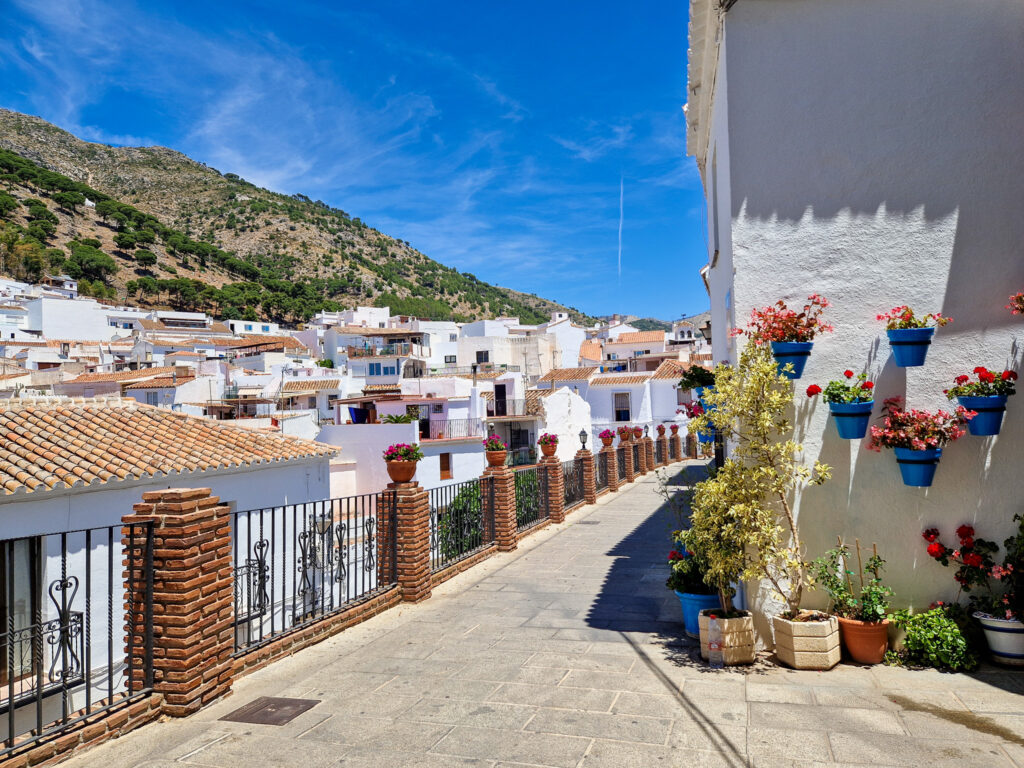
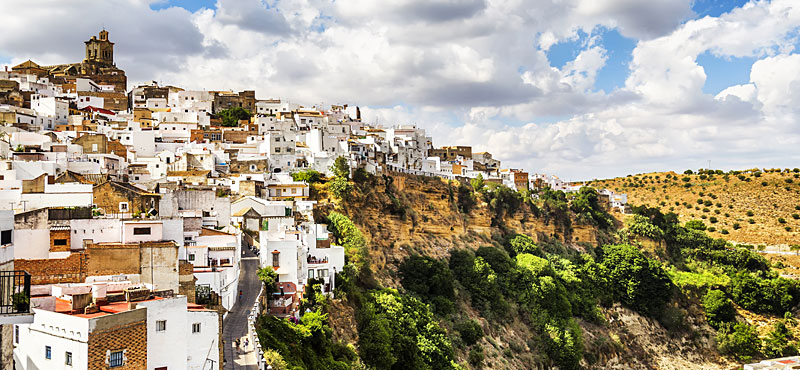
The Pueblos Blancos represent one of the most iconic and fascinating itineraries of Andalusia. These characteristic villages, known for their whitewashed houses and red-tiled roofs, wind through the provinces of Cadiz and Malaga, embracing the hills of the Sierra de Grazalema and the Serranía de Ronda. Their origin dates back to the Arab period, when lime was used to protect homes from the sun and diseases. In the narrow streets, you can still feel an atmosphere suspended in time, with colorful flowers on balconies, ancient churches, remnants of castles, and spectacular panoramic views. The Pueblos Blancos are not just a journey through history but also an immersion into the authentic traditions of Andalusia, where rural culture blends with breathtaking landscapes and genuine gastronomy. From Arcos de la Frontera to Grazalema, from Zahara de la Sierra to Mijas, each village has its own identity and offers unique experiences, making this route essential for those who wish to discover the most authentic soul of the region. Included among the most loved destinations by nature lovers, trekkers, and travelers seeking authenticity, the Pueblos Blancos symbolize a less-known but profoundly evocative Andalusia.
Regional Detail
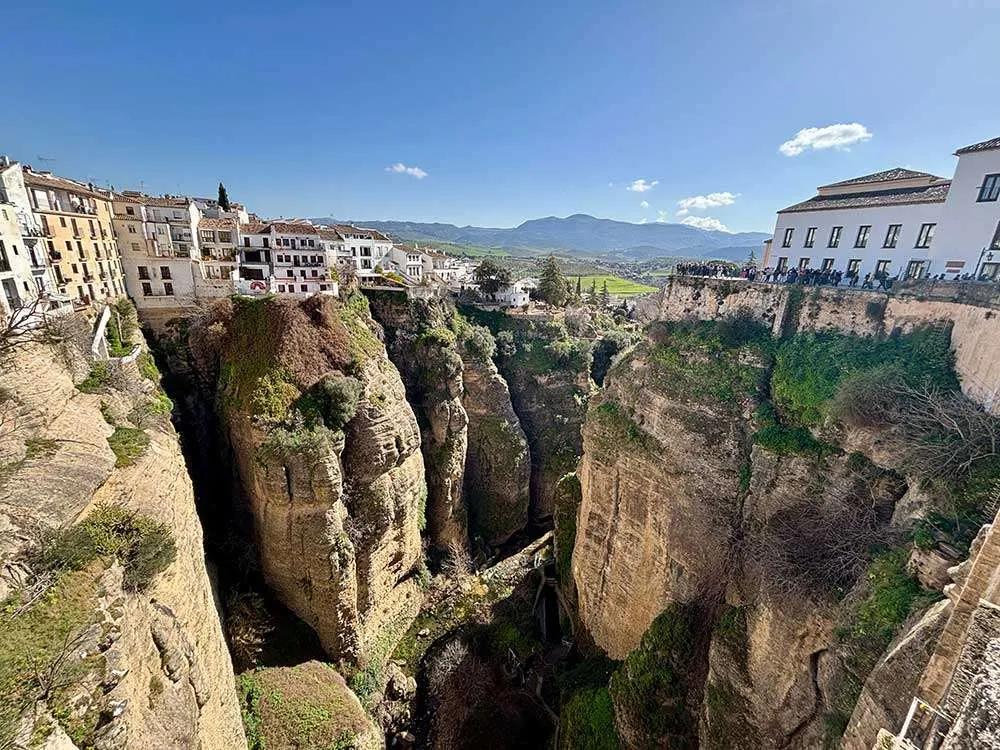
The route of the Pueblos Blancos mainly unfolds in the provinces of Cadiz and Malaga, crossing mountainous territories and green valleys, often within protected natural parks such as the Sierra de Grazalema. Most of the villages are located in the province of Cadiz, with centers like Arcos de la Frontera, Grazalema, Zahara de la Sierra, and Setenil de las Bodegas, famous for its houses carved into the rock. In the province of Malaga, Mijas, Casares, and Ronda stand out, the latter famous for its monumental bridge and views over the gorge. Each village offers different views: some overlook the valleys from rocky outcrops, others are nestled among olive groves and vineyards. The climate of the area is typically Mediterranean but with mountain influences, making visits pleasant even in summer due to the altitudes. The road network connects the various villages easily, but for those who wish to explore the region thoroughly, a car is recommended. The itinerary of the Pueblos Blancos is often combined with other must-see stops in the region, such as visiting the Costa del Sol or the main cities, so it can be integrated into a broader journey to discover the most fascinating cities of Andalusia. To navigate between provinces, coasts, and mountains, a detailed map of Andalusia is a valuable tool, especially for those who wish to discover even the rural and less touristy areas.
Practical Tips
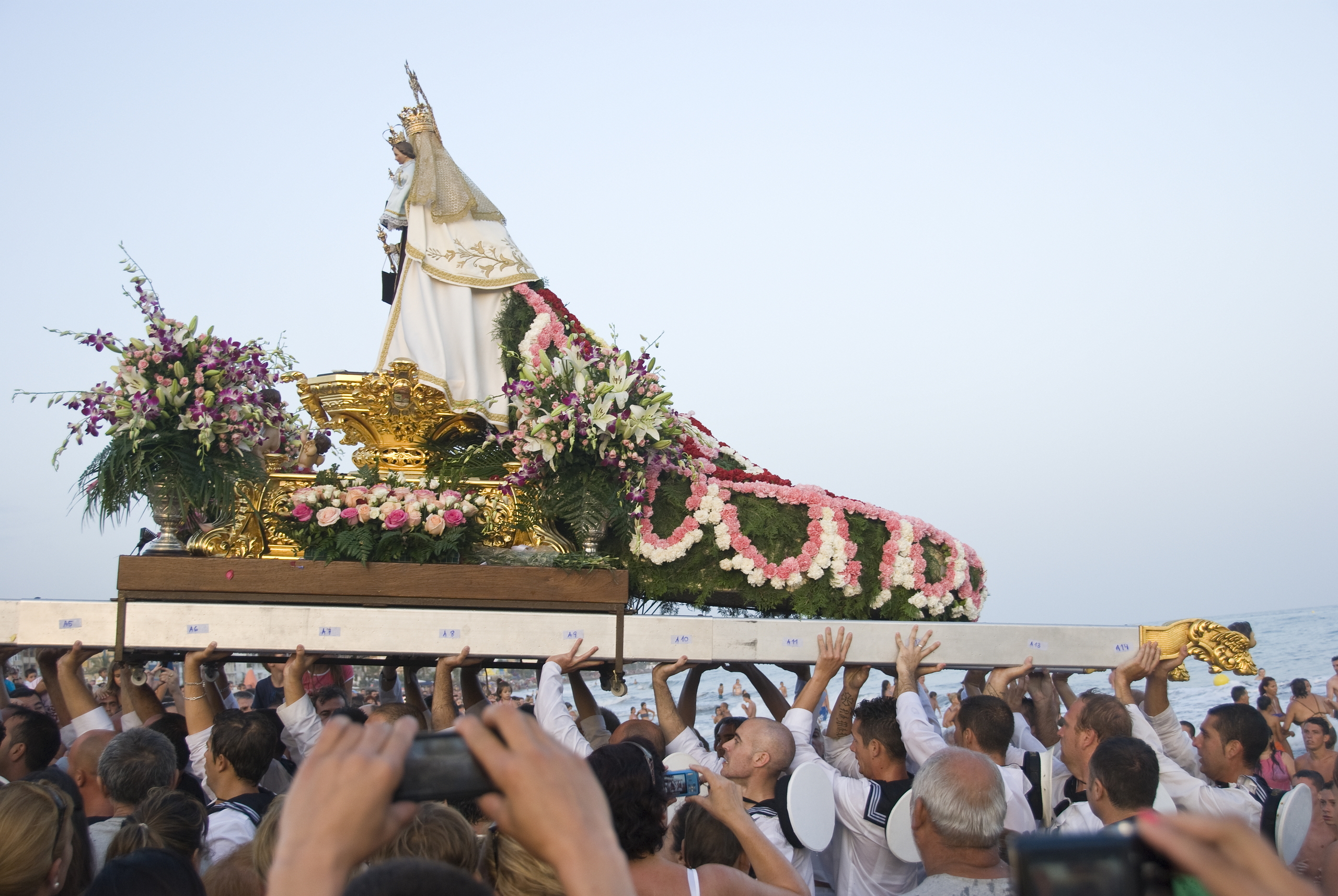
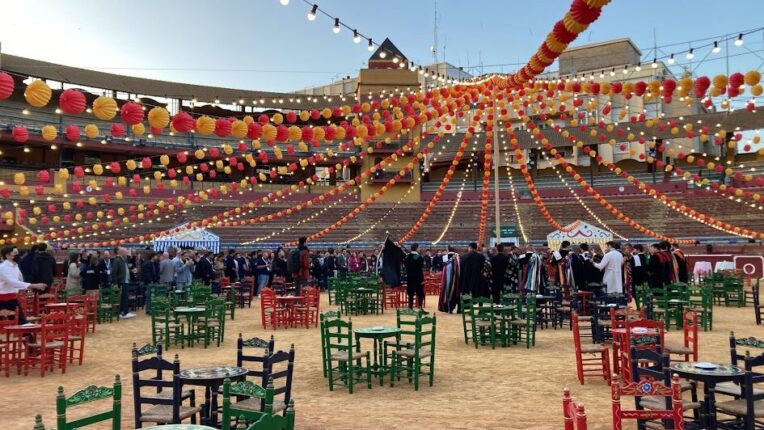
To fully enjoy the experience of the Pueblos Blancos, it is advisable to plan the trip in spring or autumn, when the Andalusian climate is mild and the surrounding nature is at its most splendid. Summer can be very hot, but the altitudes of the villages often ensure cooler temperatures compared to the coast. It is preferable to travel by car to reach even the smaller towns and enjoy maximum freedom of movement; alternatively, some organized tours depart from the main cities of the region. Don't forget to savor the local cuisine: each village offers typical dishes linked to Andalusian tradition, such as goat cheese, game stew, and almond sweets. Participating in traditional festivals and events, often celebrated between May and September, allows you to discover the most authentic side of rural culture. For further suggestions on how to organize the trip, consult the complete guide to Andalusia and find out about the most important cultural festivals and events in the region. If you are interested in knowing the Andalusian climate in detail or wish to know when to go to Andalusia, these resources will help you plan every aspect of the itinerary in the Pueblos Blancos.