 Andalusia




Overview of Andalusia
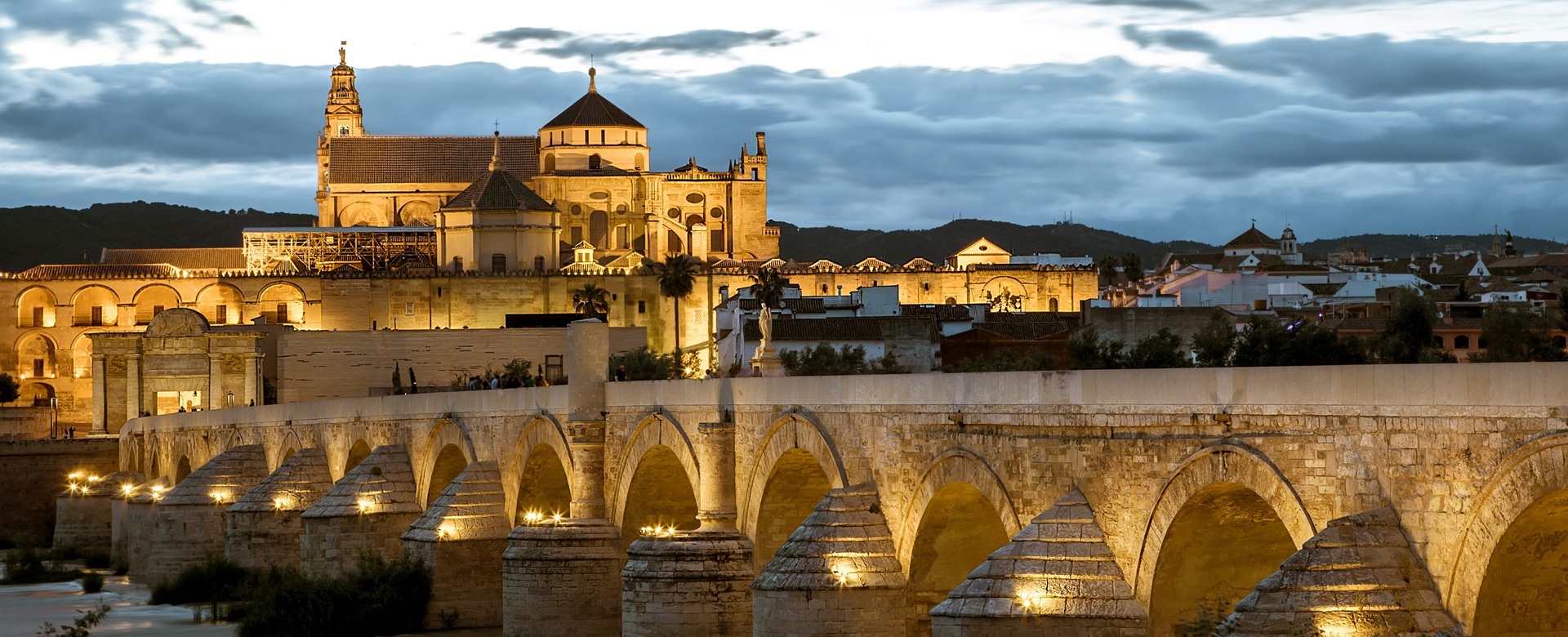
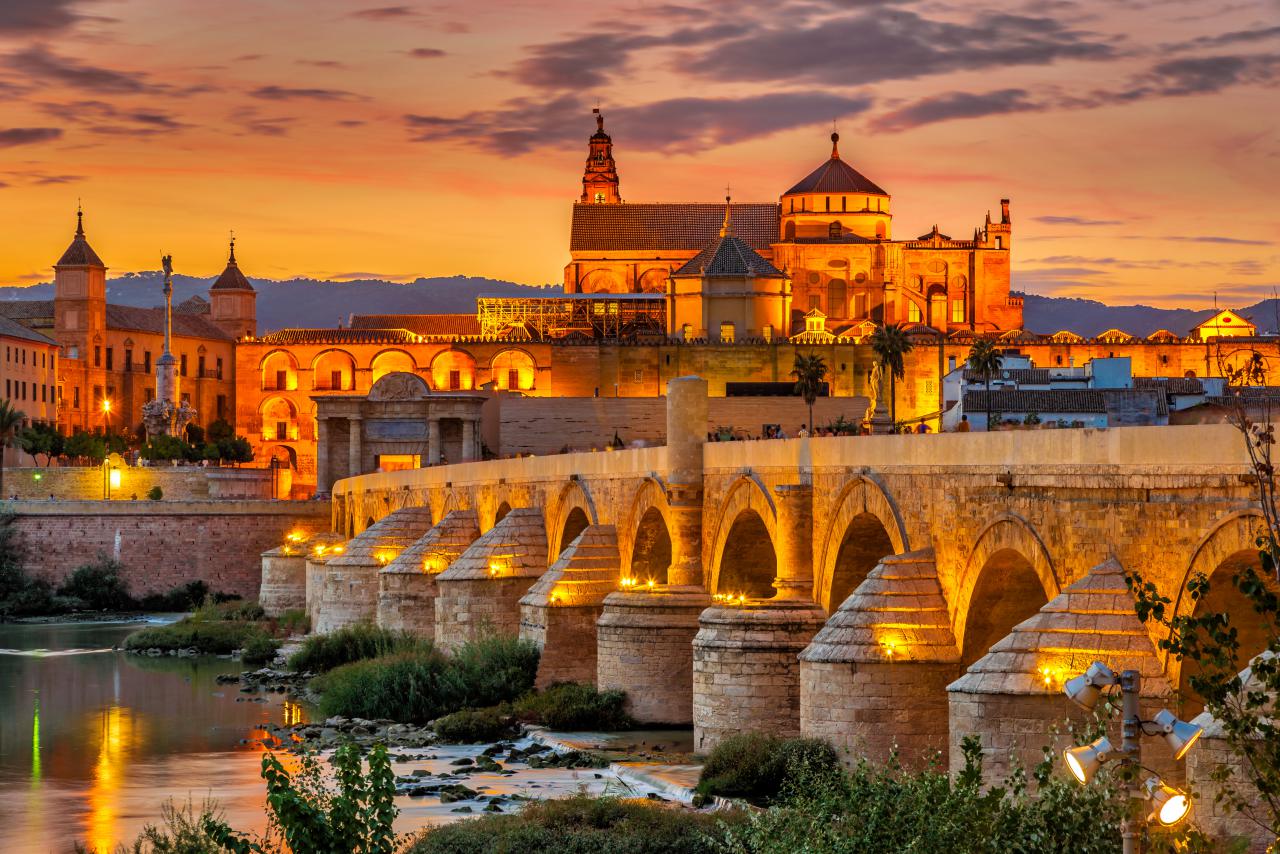
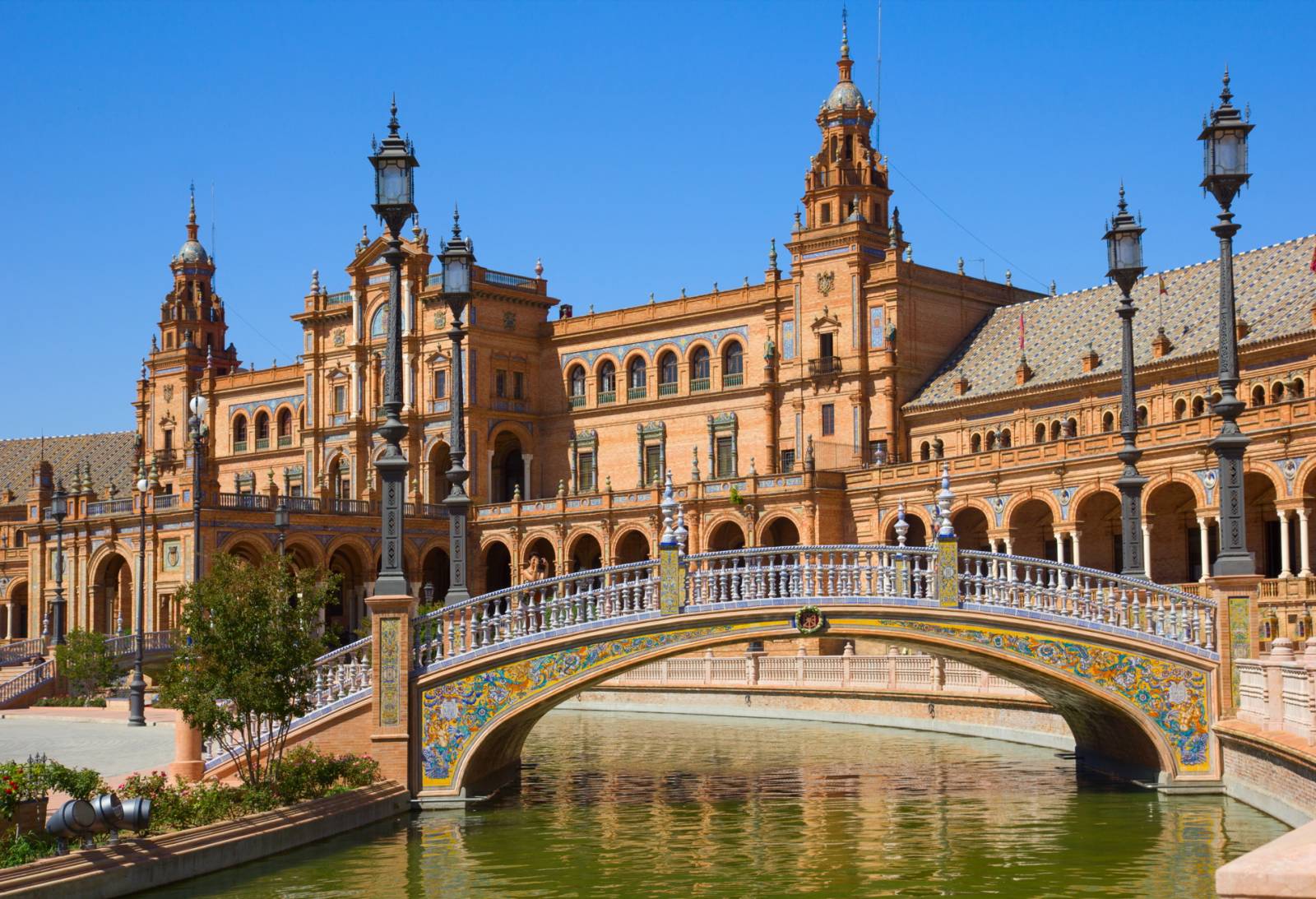
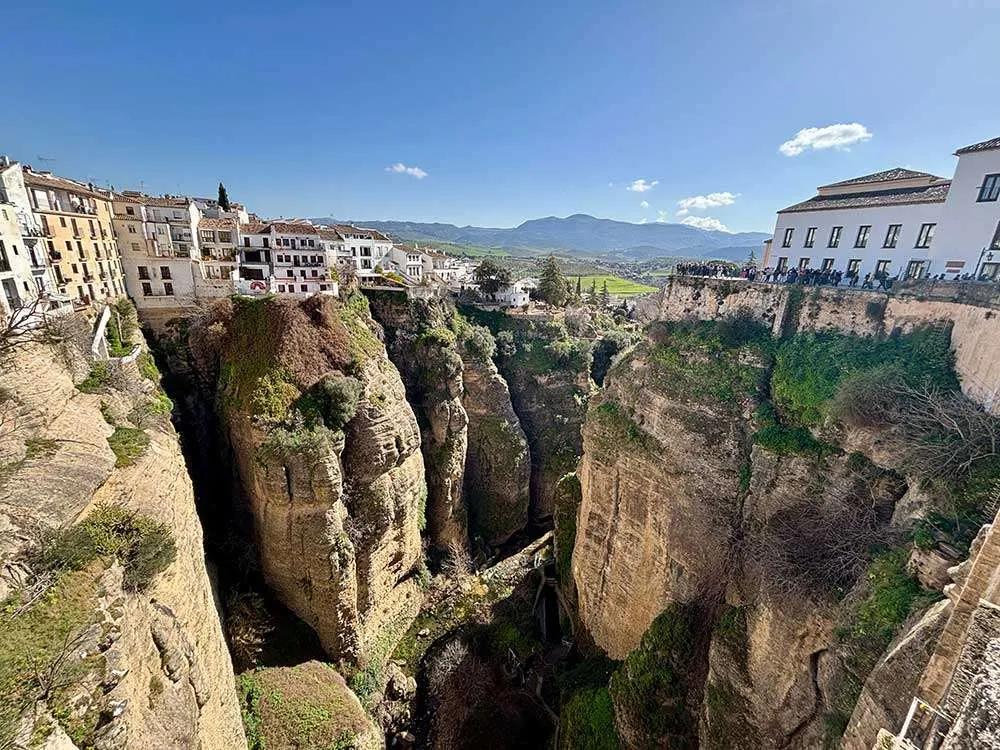
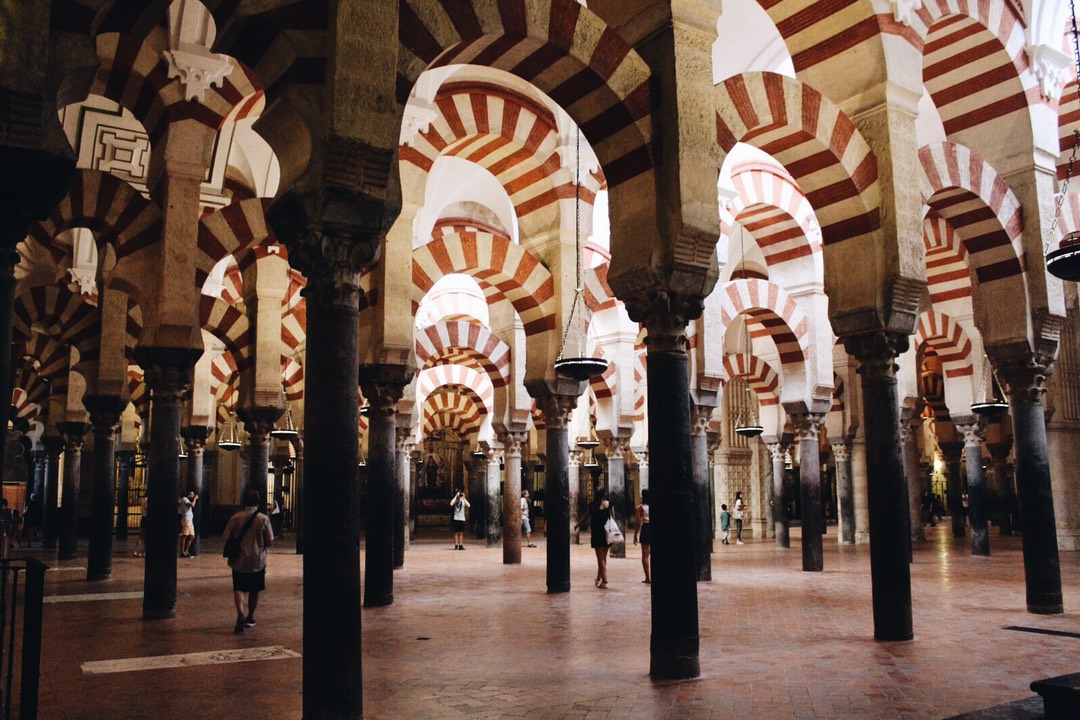
Andalusia is a region of timeless charm, located at the southernmost tip of Spain, where ancient history intertwines with breathtaking landscapes and a vibrant culture. Known for its mild and sunny climate throughout the year, Andalusia attracts travelers from all over the world thanks to its rich artistic and architectural heritage, showcased by iconic monuments such as the Alhambra in Granada and the Mezquita in Cordoba. The region has been a crossroads of civilizations: from the Phoenicians to the Romans, from the Visigoths to the Arabs, each has left a deep imprint on the urban fabric, traditions, and local cuisine. The main cities of Andalusia still retain a magical aura today, with winding alleys, lively squares, and colorful markets. The territory, which encompasses mountains, rivers, fertile valleys, and miles of coastline, offers diverse and surprising scenarios, ideal for those who wish to experience authentic moments amidst nature, history, and culture. To best navigate the wonders of the region, it is helpful to consult a detailed map of Andalusia and discover the connections between its provinces and cities.
The Eight Provinces
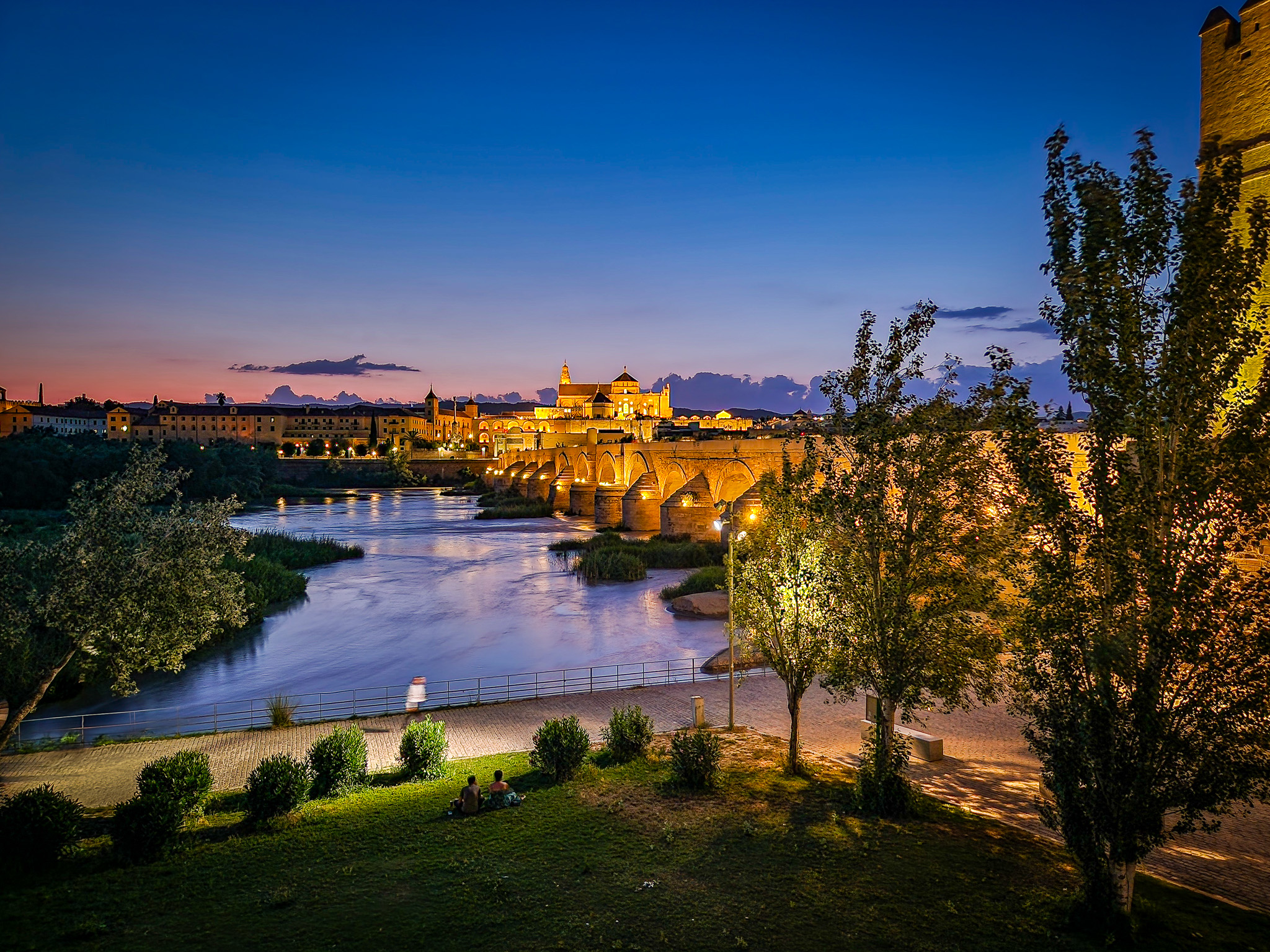
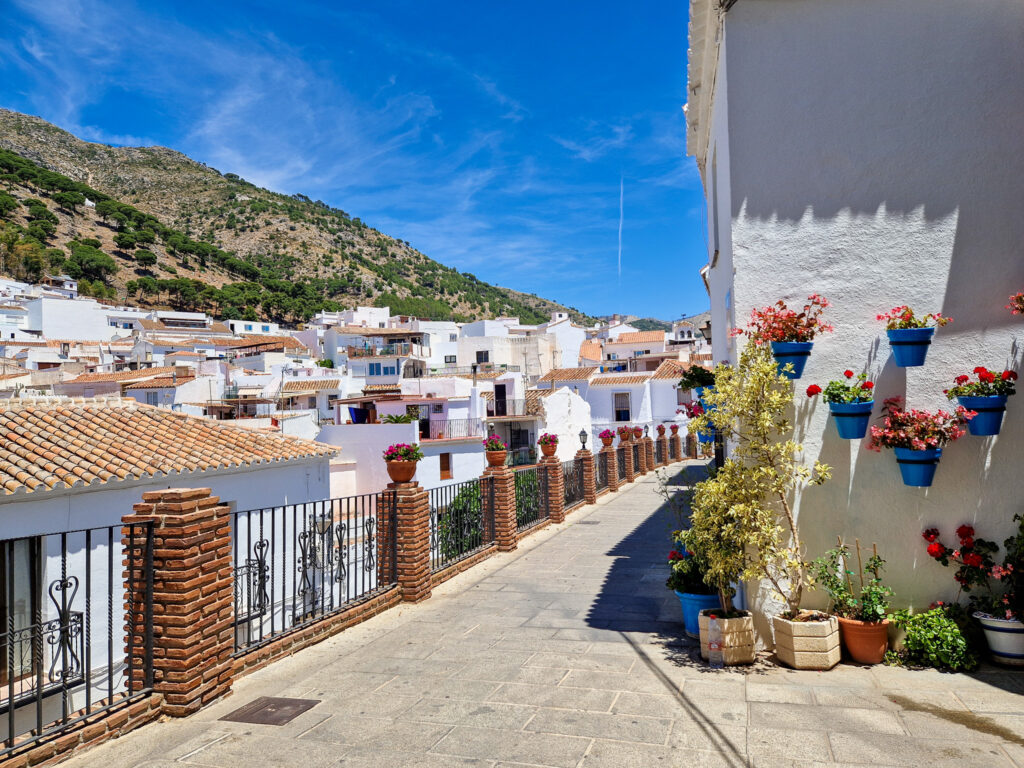
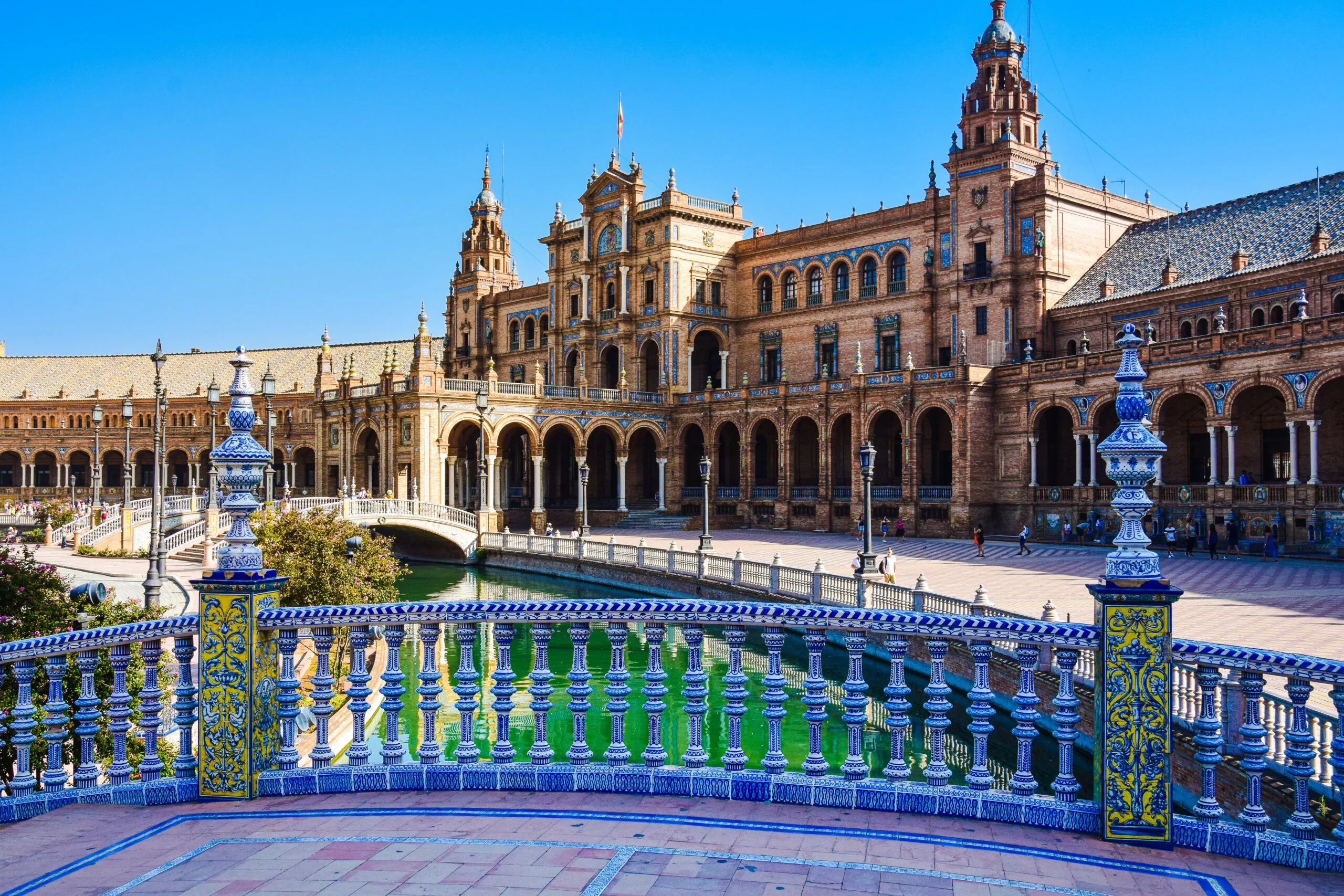
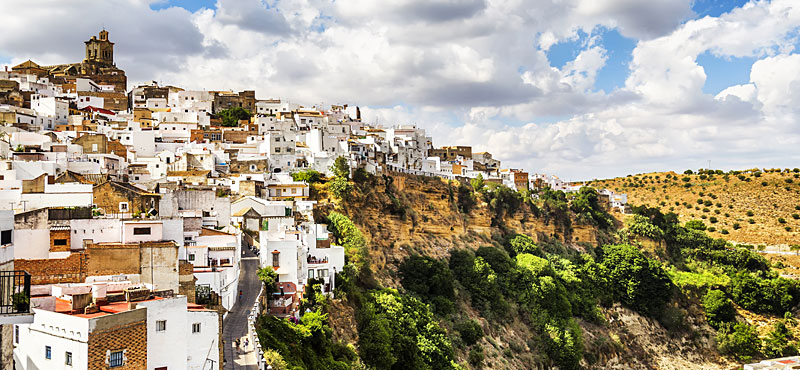
Andalusia is divided into eight provinces, each with its own identity and unique heritage. From the Mediterranean coast of Almeria and Malaga to the olive-covered hills of Jaén, and the maritime landscapes of Cadiz and Huelva, each province offers different reasons to be explored. Granada captivates with its Moorish atmosphere and proximity to the Sierra Nevada, while Cordoba amazes with its Roman and Islamic past. The province of Seville, the administrative and cultural heart of the region, is famous for its vibrancy and UNESCO heritage monuments. Visiting the main cities of Andalusia, one can perceive the variety of architectural styles and traditions that characterize each area. Coastal provinces like Malaga and Cadiz are renowned for their beaches and seaside resorts, while the inland offers white villages, natural parks, and authentic rural landscapes.
Heritage and Identity
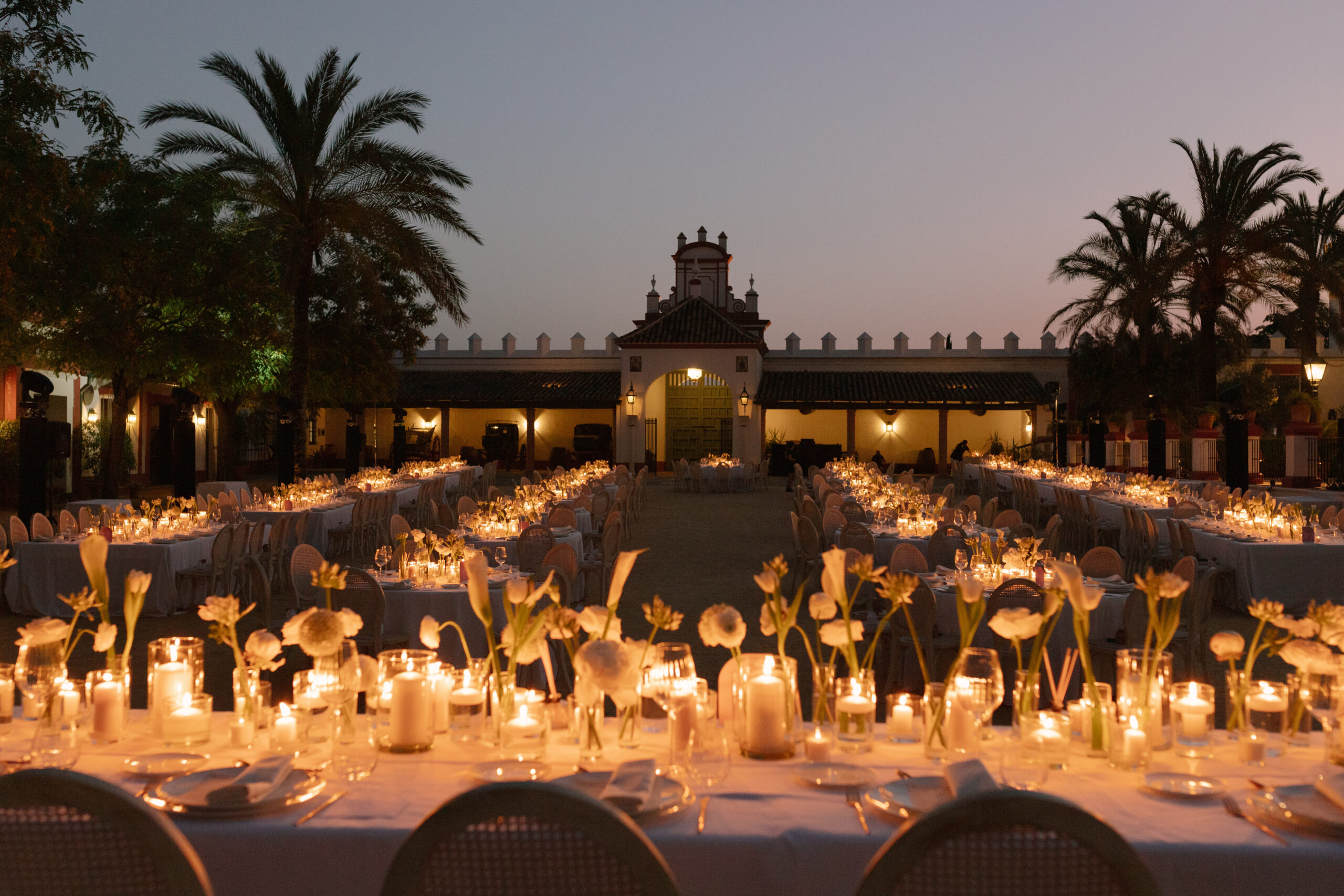
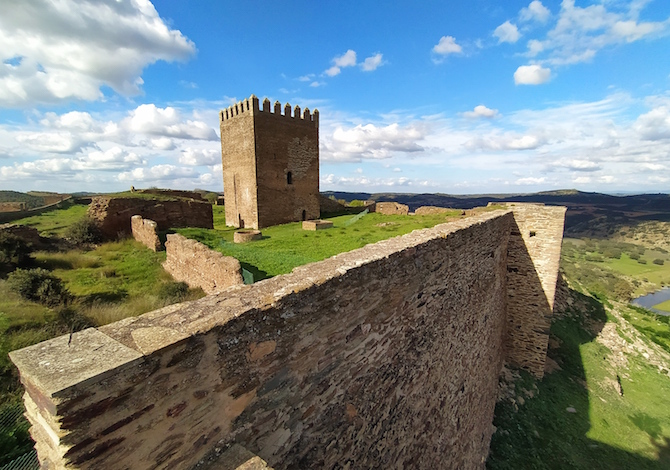
The Andalusian identity is reflected in an extraordinary variety of cultural expressions: from flamenco, declared Intangible Cultural Heritage by UNESCO, to religious festivals like Semana Santa and Feria de Abril. The typical cuisine, rich in Mediterranean flavors and Arab influences, ranges from fresh fish tapas to cold soups like gazpacho. Local crafts are expressed in textiles, ceramics, and mosaics, passing down ancient knowledge. The architectural heritage includes palaces, courtyards, fortresses, and churches that tell centuries of coexistence among different peoples. Events and festivals animate the regional calendar throughout the year, offering visitors a unique opportunity to connect with the true soul of Andalusia. To delve into traditions and events, you can consult the Andalusia events calendar, which gathers the main events of each province.
Why Visit Andalusia
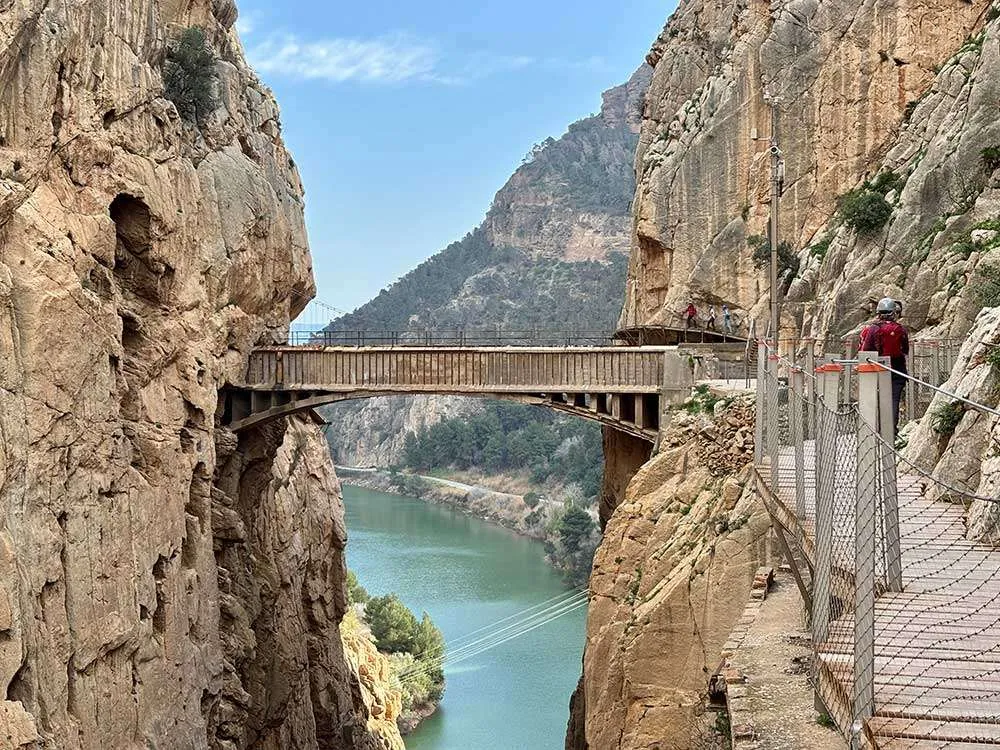
Visiting Andalusia means immersing oneself in a land of contrasts, where wild nature alternates with historic cities and golden coasts. The region is easily accessible thanks to an efficient network of public transport and rail connections, allowing easy movement between provinces. The climate, among the mildest in Europe, makes Andalusia an ideal destination in any season: to choose the best time, you can consult the guide on when to go to Andalusia. The opportunities for exploration are endless: from hikes in the mountain landscapes of the Sierra Nevada to relaxing days on the beaches of the Costa del Sol and the Costa de la Luz. Andalusia is also synonymous with warm hospitality and authenticity, qualities that make every trip an unforgettable experience. For a complete overview and practical advice, you can consult the comprehensive guide to Andalusia.