 Andalusia
The Most Famous Festivals of Andalusia
Andalusia is one of the most festive regions of Spain, boasting a cultural heritage expressed through religious celebrations, popular fairs, musical events, and centuries-old traditions. Throughout the year, cities and towns transform into vibrant stages where music, dance, traditional costumes, and local cuisine take center stage. Participating in an Andalusian festival means connecting with the region's most authentic identity, full of passion, hospitality, and a strong sense of community belonging.
Holy Week: The Most Heartfelt Celebration
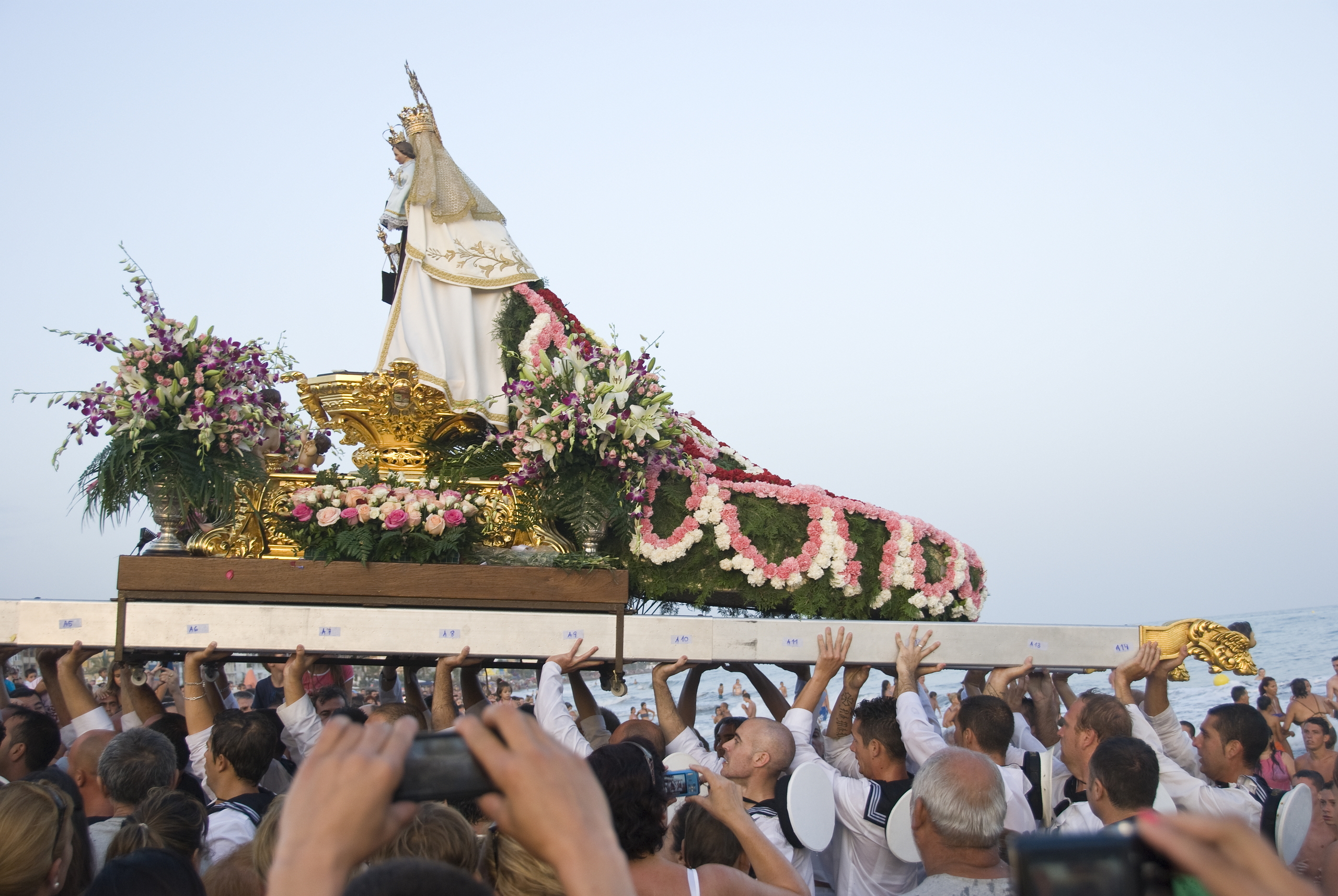
Among all Andalusian festivities, Holy Week is undoubtedly the most important and spectacular. Celebrated in the week leading up to Easter, it involves virtually every city and town in the region. Religious processions organized by brotherhoods traverse the streets carrying impressive floats adorned with sacred images, accompanied by musical bands and thousands of faithful. The celebrations in Seville, Málaga, Granada, and Córdoba are considered among the most impressive in Spain and attract millions of visitors each year.
The Seville April Fair
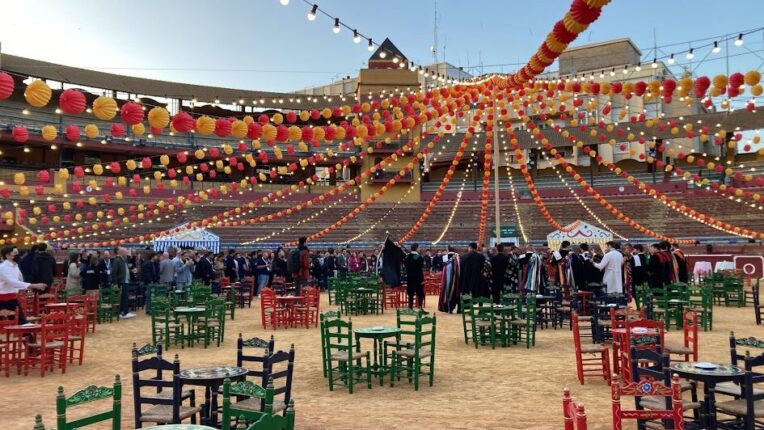
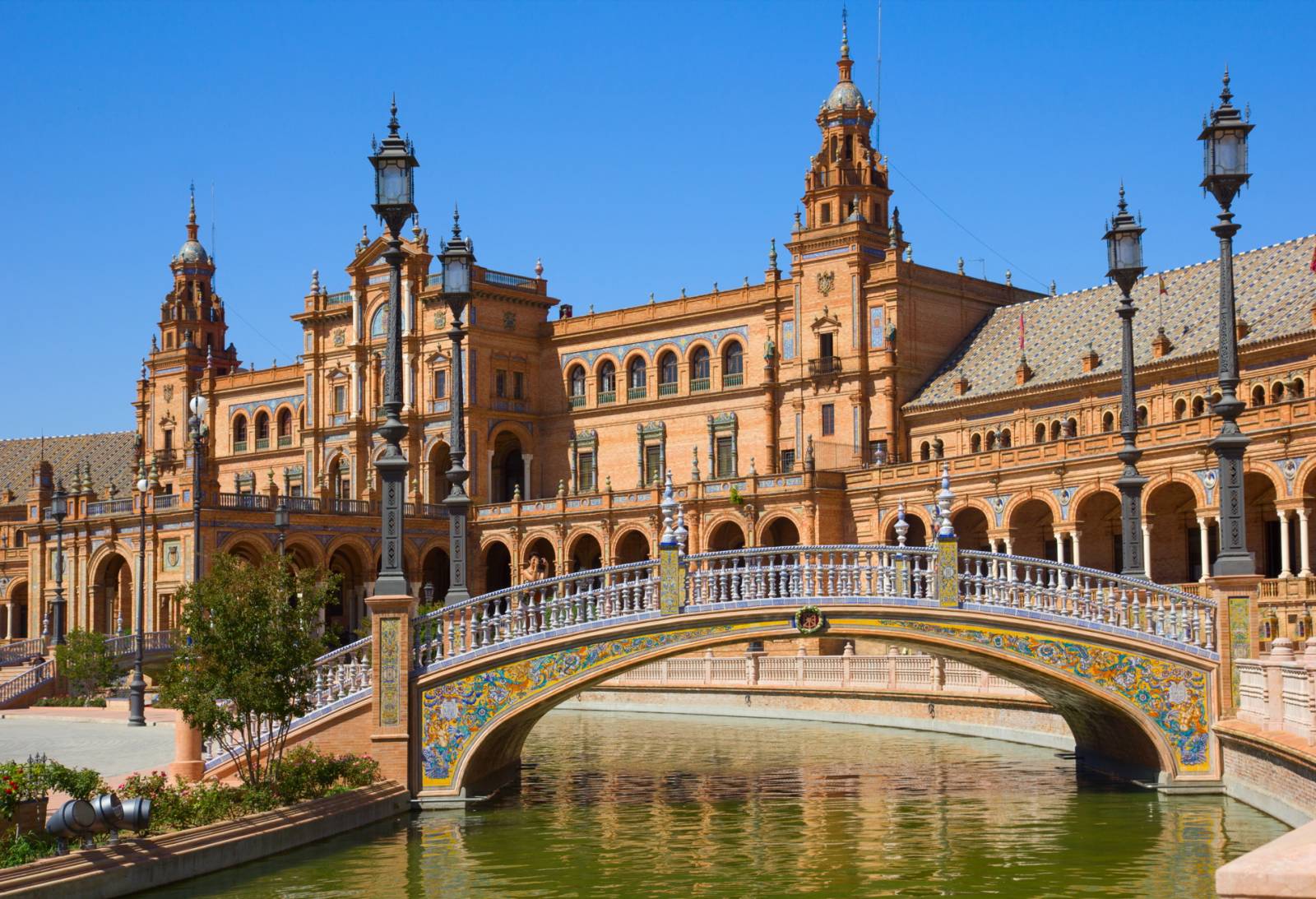
A few days after Holy Week, Seville hosts the famous April Fair, one of Andalusia's most iconic events. For a week, the city fills with "casetas," decorated pavilions where people dance the "sevillana," enjoy typical specialties, and experience a continuous festive atmosphere. Women wear traditional flamenco dresses, while horse and carriage parades traverse the fairgrounds. The Fair is one of the best occasions to discover the most authentic Andalusian traditions.
The Carnival of Cádiz
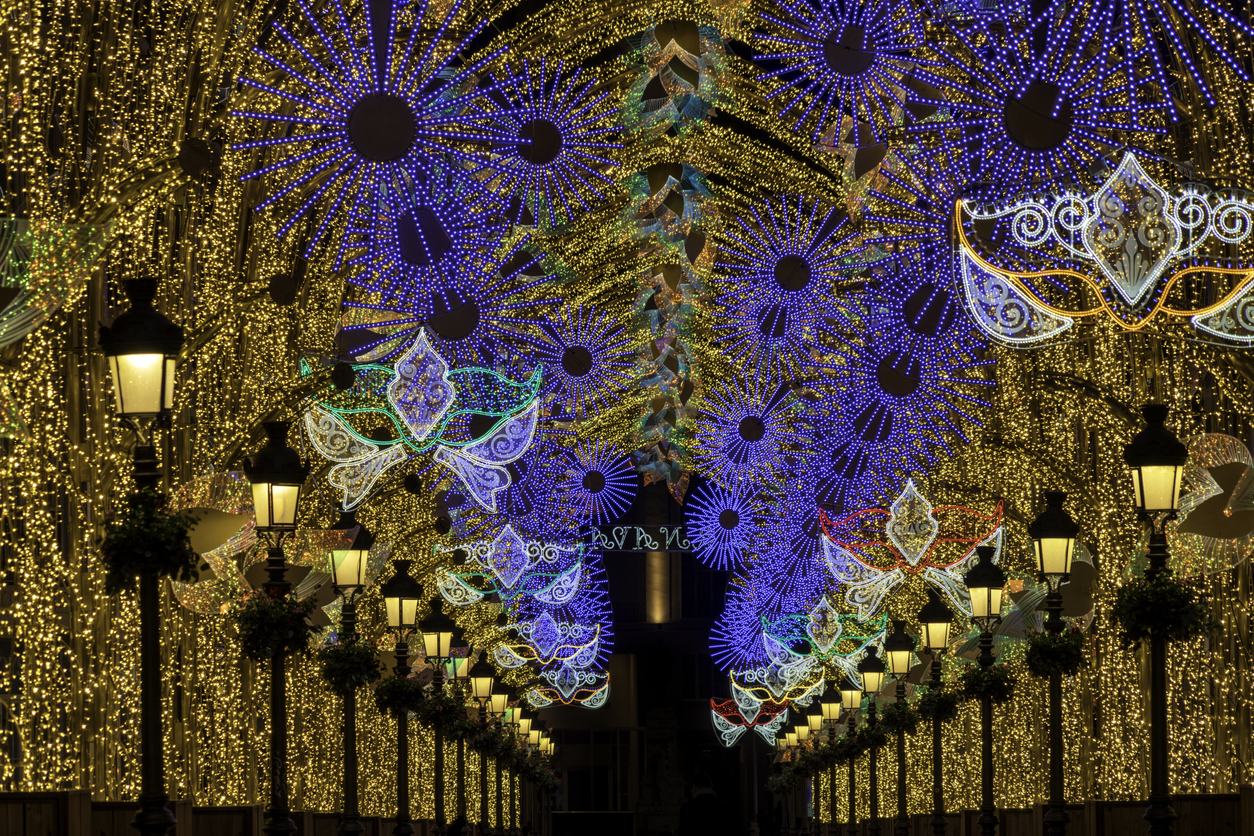
The Carnival of Cádiz is considered one of the most original and fun in Europe. Its origins date back centuries, and today the festival is famous for its ironic and satirical spirit. The stars are the "comparsas" and "chirigotas," musical groups performing humorous and socially critical songs. During the carnival period, the streets of the historic center fill with performances, colorful costumes, and thousands of people from all over Spain.
The Pilgrimage of El Rocío
Among the most important religious events in Spain is the Pilgrimage of El Rocío, held in the province of Huelva. Each year, hundreds of thousands of pilgrims arrive at the small village of El Rocío traveling by horse, cart, or on foot. The pilgrimage crosses extraordinary natural landscapes, including parts of the Doñana National Park. Devotion to the Virgin of El Rocío combines with a festive atmosphere full of music, songs, and camaraderie.
The May Crosses
The May Crosses are one of Andalusia's most fascinating spring traditions. During May, squares, patios, and streets are decorated with large crosses covered in flowers. The most famous celebrations take place in Granada and Córdoba, where floral decorations are accompanied by music, folk performances, and gastronomic tastings. This event represents one of the most colorful moments of the year.
The Festival of the Patios of Córdoba
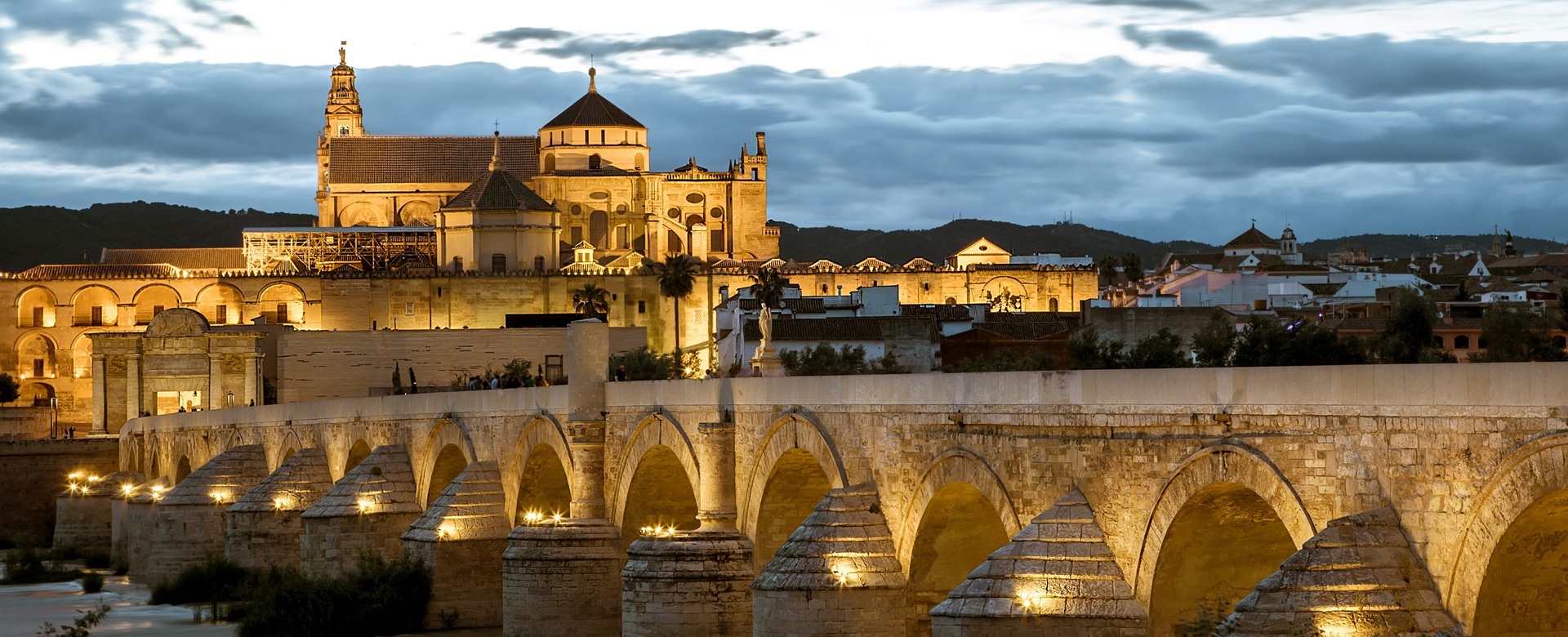
In May, Córdoba celebrates the famous Festival of the Patios, recognized by UNESCO as Intangible Cultural Heritage of Humanity. Residents open their home patios to the public, transformed into true gardens full of flowers, fountains, and traditional decorations. During the festival, it is possible to visit some of the city's most beautiful corners and learn about a tradition passed down from generation to generation.
The Málaga Fair
Every August, Málaga hosts one of Spain's largest summer fairs. The Málaga Fair commemorates the Christian reconquest of the city and offers concerts, equestrian shows, flamenco performances, and parties that enliven both the historic center and the large fairgrounds. The event attracts visitors from all over the world and represents one of the most vibrant moments of the Andalusian summer.
The Night of San Juan
Celebrated on the night of June 23 to 24, the Night of San Juan is one of the most beloved festivities along the Andalusian coasts. Thousands gather on the beaches of Málaga, Almería, Cádiz, and Granada to light bonfires, enjoy fireworks, and participate in traditional rituals considered good luck. It is a festival that combines religious and popular elements in a unique atmosphere.
Flamenco and Cultural Festivals
Andalusia is the birthplace of flamenco and hosts numerous festivals dedicated to this UNESCO-recognized art form. Among the most important are the Seville Flamenco Biennial, the International Festival of Cante de las Minas, and numerous local showcases held throughout the year. Alongside flamenco events, the region offers musical, film, and cultural festivals that further enrich the event calendar.
When to Participate in Andalusian Festivals
Each season offers unmissable events. Spring is the richest period thanks to Holy Week, the April Fair, the May Crosses, and the Festival of the Patios. Summer is characterized by popular fairs, coastal parties, and major musical events, while autumn and winter host traditional celebrations, Christmas markets, and cultural manifestations. Checking Andalusia's event calendar allows you to plan your trip according to the most interesting festivities and experience an authentic journey into the heart of Andalusian culture.